

Primary Care Clinic in Miami: How to Choose the Right Fit
October 2, 2026
How to Administer TRT Injections at Home: Safety Guide
October 4, 2026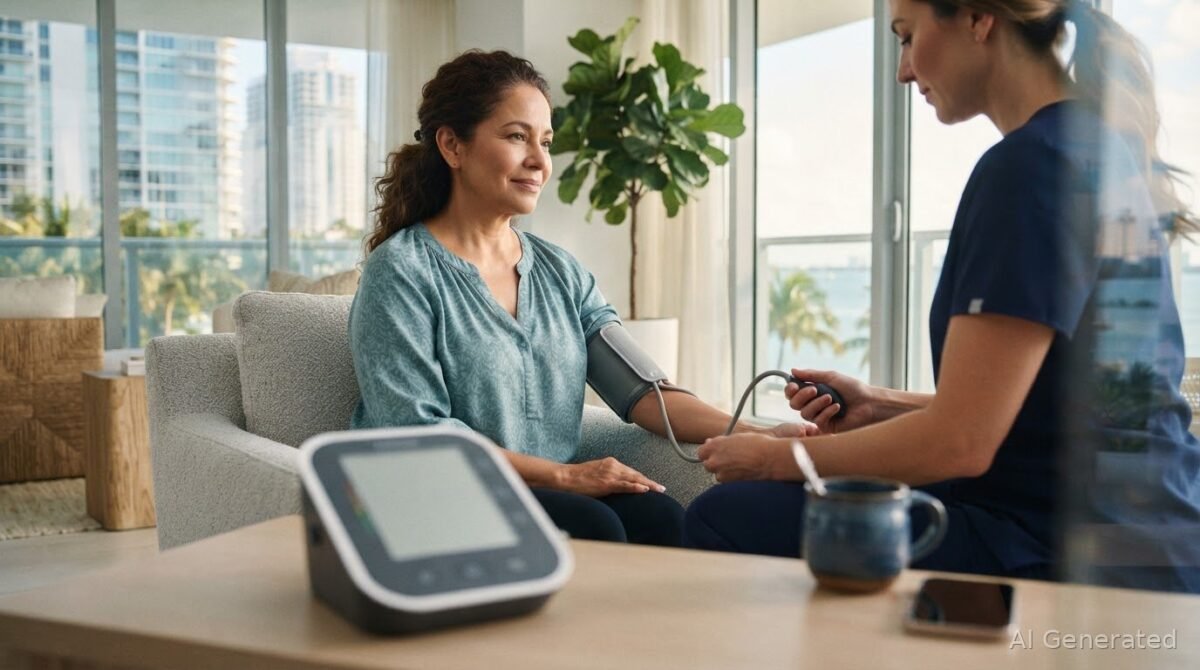
Could a high blood pressure reading reflect a temporary trigger rather than ongoing hypertension? It’s a reasonable question, especially when a result is higher than expected. The bp reasons can include stress or caffeine before a measurement, everyday habits, certain medications, or an underlying health condition. One reading is a clue to investigate, not a diagnosis by itself.
Understanding what may be behind a high result can clarify what to do next. This article covers common contributors to elevated blood pressure, how temporary spikes differ from persistent high readings, and how to take and record more reliable measurements at home. A clear log gives you useful information to share with a clinician.
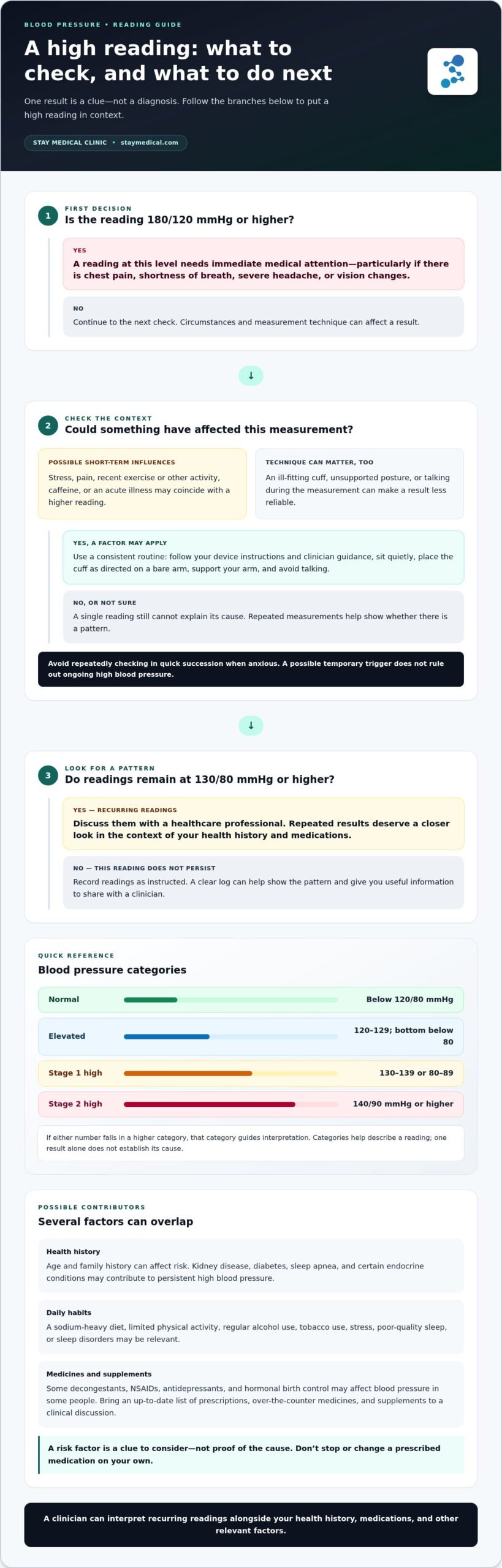
If readings remain at 130/80 mmHg or higher, discuss them with a healthcare professional. A reading of 180/120 mmHg or higher, particularly with symptoms such as chest pain, shortness of breath, severe headache, or vision changes, needs immediate medical attention. A clinician can put your results in context and consider whether further evaluation is appropriate.
Key Takeaways
- Learn how to interpret the top and bottom numbers in a blood pressure reading without treating one result as a diagnosis.
- Explore how health history, daily habits, medications, and medical conditions can combine as bp reasons.
- See how temporary influences such as recent activity or stress differ from repeated high readings.
- Follow practical steps for taking and recording home readings more consistently.
- Know what information to bring when discussing recurring high blood pressure with a primary care clinician.
What are the common reasons blood pressure becomes high?
Blood pressure can rise for different reasons, and a monitor reading is a measurement, not a diagnosis or explanation of its cause. Age and family history can affect a person’s risk. Habits such as eating a sodium-heavy diet, being physically inactive, or regularly getting poor-quality sleep may also contribute. Often, several factors overlap rather than one cause acting alone.
Clinicians may describe long-term high blood pressure without a clear single cause as primary (essential) hypertension. This pattern can reflect a mix of inherited and lifestyle influences. Other cases are linked to an underlying health condition or medication. Persistent readings deserve a closer look rather than assumptions about personal habits.
What do systolic and diastolic blood pressure numbers mean?
The top number, or systolic pressure, measures pressure in the arteries as the heart contracts. The bottom number, or diastolic pressure, reflects pressure between heartbeats. The American Heart Association classifies blood pressure as normal below 120/80 mmHg; elevated at 120-129 with the bottom number below 80; Stage 1 high blood pressure at 130-139 or 80-89; and Stage 2 at 140/90 or higher. If either number falls in a higher category, that category guides interpretation.
Can one high blood pressure reading tell you the cause?
No. Results can vary with circumstances such as recent activity, stress, discomfort, or cuff position. Even a reading in a high range doesn’t reveal why it happened or, by itself, confirm ongoing hypertension. Repeated measurements help show whether there is a pattern. A clinician can interpret them alongside your health history, medications, and other relevant factors.
Persistent high readings matter because their meaning depends on the pattern and the person, not on one number alone. Record readings as instructed and discuss recurring results with a primary care clinician. At a primary care visit in Brickell, Miami, a clinician can consider your individual context and determine whether an examination or laboratory testing is appropriate.
How health, habits, and medications can contribute to high BP
Blood pressure often reflects several influences rather than a single identifiable cause. Age and family history can affect a person’s likelihood of developing high blood pressure, while daily routines and overall health may also play a role. These bp reasons can overlap, and having a risk factor doesn’t prove what caused an individual reading.
Which everyday habits may influence blood pressure?
Dietary patterns high in sodium, limited physical activity, regular alcohol use, and tobacco use can contribute to blood pressure risk. Stress may influence readings, while ongoing poor sleep or sleep disorders can also be relevant. The Centers for Disease Control and Prevention discusses how unhealthy lifestyle choices and other factors can affect blood pressure. These are possible influences, not a way to identify the cause of one person’s result.
Small, sustainable adjustments may be more realistic than trying to change everything at once. A clinician can help you consider which habits are relevant to your health and what changes make sense for you. Individual circumstances matter, so an approach that works for one person may not suit another.
Can health conditions or medications raise blood pressure?
Some medical conditions can contribute to persistent high blood pressure. Kidney disease, diabetes, sleep apnea, and certain endocrine conditions may be part of the picture. A clinician considers these possibilities alongside family history, symptoms, and repeated readings rather than assuming any one condition is responsible.
Medications and supplements can matter, too. Some decongestants, nonsteroidal anti-inflammatory drugs (NSAIDs), antidepressants, and hormonal birth control may affect blood pressure in some people. Bring an up-to-date list of prescriptions, over-the-counter medicines, and supplements to a clinical discussion. A risk factor is a clue to consider, not proof of the cause.
Don’t stop or change a prescribed medication on your own, even if you suspect it may affect your readings. A clinician can review its potential effects and discuss appropriate next steps. For personalized primary care in Brickell, Miami, learn more about care at Stay Medical Clinic and discuss recurring readings in the context of your health history.
Temporary blood pressure spikes versus persistent hypertension
A higher reading can reflect what was happening around the measurement, but one possible trigger doesn’t explain every result or rule out ongoing hypertension. Stress, pain, recent exercise, caffeine, or an acute illness may affect a reading. Technique matters, too: a cuff that doesn’t fit properly, unsupported posture, or talking during the measurement can make the result less reliable.
What can make blood pressure rise temporarily?
Before measuring, follow your device’s instructions and your clinician’s guidance. Sit quietly, place the cuff as directed on a bare arm, support your arm, and avoid talking during the measurement. Avoid repeatedly checking in quick succession when anxious; a consistent routine makes readings more useful. The World Health Organization describes modifiable risk factors that can contribute to high blood pressure over time, which is different from short-term measurement context.
Reading patterns: temporary context and ongoing concern
| Short-term context | Repeated elevated readings |
|---|---|
| Stress, pain, recent activity, caffeine, or illness may coincide with a higher result. | Elevated results recorded over time may suggest a persistent pattern that needs clinical interpretation. |
| Incorrect cuff fit, posture, or talking can affect measurement accuracy. | Readings taken consistently provide a clearer record to discuss with a clinician. |
When does a pattern matter more than a single number?
Repeated readings taken under similar conditions can help a clinician assess whether blood pressure is persistently high. Record the date, time, result, and relevant circumstances, such as recent activity, stress, or feeling unwell. This context can help distinguish a one-off change from a pattern and guide an individualized discussion.
Feeling fine doesn’t confirm that blood pressure is normal. High blood pressure often has no noticeable symptoms, so a person can feel well despite repeated elevated readings. A result at or above 180/120 mmHg warrants immediate medical attention, especially with chest pain, shortness of breath, severe headache, or vision changes. The range of possible bp reasons is broad; a clinician can interpret your record alongside your health history rather than draw conclusions from one number.
How to check your blood pressure and decide what to do next
A dependable home reading starts with a monitor and routine you can use consistently. Choose a validated automatic upper-arm device with a cuff that fits your arm, and follow the device instructions. Your clinician can review your technique and recommend a schedule that suits your situation. Home readings provide useful information, but they don’t establish a diagnosis on their own.
How can you take a more reliable home reading?
For a more consistent measurement, use this simple sequence:
- Avoid measuring right after exercise, caffeine, or smoking; empty your bladder and sit quietly for five minutes first.
- Sit with your back supported, feet flat on the floor, and legs uncrossed. Place the cuff on bare skin, and support your arm at heart level.
- Stay quiet and still while the monitor runs. Take two readings about one minute apart, unless your clinician or device instructions advise otherwise.
- Measure at consistent times and record both results rather than relying on memory.
Follow the instructions for your specific monitor and any guidance from your clinician. If you’re unsure about cuff placement or posture, bring the device to a visit so your technique can be reviewed.
When should you discuss high readings with a clinician?
Log the date, time, readings, and relevant context, such as symptoms, recent activity, illness, or a medication change. Share your medication and supplement list, too. If readings repeatedly reach 130/80 mmHg or higher, discuss them with a clinician. They can interpret the pattern alongside your health history and review possible bp reasons, including whether medication effects or another health factor may be relevant.
A reading of 180/120 mmHg or higher needs immediate medical attention. If it occurs, wait at least one minute and measure again. If the result remains that high, contact a healthcare professional immediately. If a very high reading comes with chest pain, difficulty breathing, severe headache, weakness, or vision changes, call 911 rather than waiting for another reading. These symptoms require urgent evaluation.
Stay Medical Clinic provides primary care in Brickell, Miami, where you can discuss recurring readings and whether an examination or laboratory testing is appropriate for you.
Discuss recurring high BP with a primary care clinician in Brickell
Repeated high readings are worth discussing in context, even if you feel well. A primary care clinician can review your measurements alongside your health history and help determine what, if anything, needs further evaluation. The range of possible bp reasons is broad, so a careful conversation is more useful than trying to identify a cause from a number alone.
What information can help your clinician understand recurring readings?
Bring a dated log of your readings and note how you took them, including the time of day and circumstances that might help explain a result. If practical, bring your home monitor so your clinician can review your technique. Include any symptoms you’ve noticed, even if they seem unrelated.
A complete health picture can help guide the discussion. Be ready to share:
- Your current prescriptions, over-the-counter medicines, and supplements, including recent changes.
- Relevant health conditions, past diagnoses, and your family history of high blood pressure or related concerns.
- Questions about possible medication effects or factors that may be influencing your readings.
What might happen during a primary care evaluation?
The clinician will discuss your readings and personal history, then decide what assessment is appropriate. Depending on the circumstances, this may include checking your blood pressure during the visit, reviewing your home-monitoring approach, or considering whether follow-up measurements or tests are useful. An examination or laboratory testing isn’t automatically needed for everyone; the decision depends on your individual situation.
For patients in the area, primary care visits in Brickell, Miami provide an opportunity to talk through recurring readings and related health factors. If the clinician determines testing is appropriate, on-site laboratory testing in Brickell may be part of the evaluation. Next steps should reflect your results and needs, not a one-size-fits-all plan.
Stay Medical Clinic is located in Brickell, Miami, and serves patients from nearby communities including Aventura, Bal Harbour, Bay Harbor Islands, Biscayne Park, Coral Gables, Cutler Bay, Doral, El Portal, Florida City, Golden Beach, Hialeah, Hialeah Gardens, and Key Biscaya. Bring your record, share your concerns, and work with your clinician to understand what your readings mean.
Take the Next Step Toward Understanding Your Readings
Blood pressure can be influenced by a mix of family history, health conditions, everyday habits, and medications. A temporary rise may have a situational explanation, but repeated readings are more informative than a single result. Keeping a consistent record can help your clinician understand the pattern and consider possible bp reasons without jumping to conclusions.
If your readings continue to concern you, bring your log, symptoms, health history, and medication or supplement list to a primary care visit. At Stay Medical Clinic in Brickell, Miami, care is personalized and compassionate. A clinician can discuss your results and decide whether an examination or laboratory testing is appropriate for your situation.
You don’t have to interpret every reading on your own. Keep a clear record and discuss recurring results with a primary care clinician at Stay Medical Clinic in Brickell, Miami.
Frequently Asked Questions
What are the most common reasons for high blood pressure?
Common bp reasons include a combination of age, family history, habits, health conditions, and medication effects. Diets high in sodium, limited physical activity, tobacco use, and regular alcohol consumption may contribute. Kidney disease, diabetes, and sleep apnea can also be relevant. These factors don’t prove what caused a particular person’s reading; a clinician considers the overall health picture and repeated measurements.
Can stress cause a temporary rise in blood pressure?
Yes, stress can temporarily raise blood pressure, and the effect may show up during a tense moment or stressful measurement. Pain, recent activity, caffeine, and illness may also influence a result. A temporary rise doesn’t necessarily explain every high reading or rule out persistent hypertension. Take measurements under consistent conditions and discuss a recurring pattern with a clinician rather than relying on one result.
Can blood pressure be high without symptoms?
Yes. High blood pressure often has no noticeable symptoms, so feeling well doesn’t confirm that your readings are normal. Measuring it is the way to know your numbers. If readings are repeatedly elevated, keep a record and discuss them with a clinician, even if you feel fine. Severe symptoms such as chest pain or difficulty breathing need urgent medical attention, whatever your recent readings have been.
Can medications or supplements raise blood pressure?
Some can affect blood pressure in certain people. Examples include decongestants, some antidepressants, hormonal birth control, and nonsteroidal anti-inflammatory drugs such as ibuprofen. Supplements may also be relevant, so share a complete list with your clinician, including over-the-counter products. Don’t stop or change a prescribed medication on your own. A clinician can review possible effects alongside your readings and health history.
How can I tell whether one high blood pressure reading is reliable?
One reading can’t establish a persistent pattern or explain its cause. Check that your monitor’s cuff fits and follow its instructions. Sit quietly with your back supported, feet flat, and arm supported at heart level; don’t talk during the measurement. If the result is unexpectedly high, record it and follow your clinician’s guidance on repeating it. A series of consistently taken readings is more informative than one number.
Can kidney problems or sleep apnea cause high blood pressure?
Yes. Kidney disease and sleep apnea are among the health conditions that may contribute to high blood pressure; some endocrine conditions can also be involved. Having one of these conditions doesn’t confirm it caused your readings. A clinician can consider your medical history, symptoms, and repeated measurements to decide whether further evaluation is appropriate. Share any known diagnoses and concerns during your primary care visit.
When should I seek medical care for high blood pressure?
Discuss repeated readings of 130/80 mmHg or higher with a clinician. If a reading is 180/120 mmHg or higher, wait one minute and measure again. If it remains that high, seek immediate medical guidance. With chest pain, difficulty breathing, severe headache, or vision changes, call 911. Stay Medical Clinic provides primary care in Brickell, Miami, for people in nearby communities including Coral Gables, Doral, Hialeah, and Key Biscaya.
Disclaimer
This content is for informational purposes only and does not replace evaluation, diagnosis, or treatment by a medical professional. Always consult a qualified healthcare provider for personalized care.