Semaglutide Weight Loss by Week: What to Expect Over Time
November 14, 2026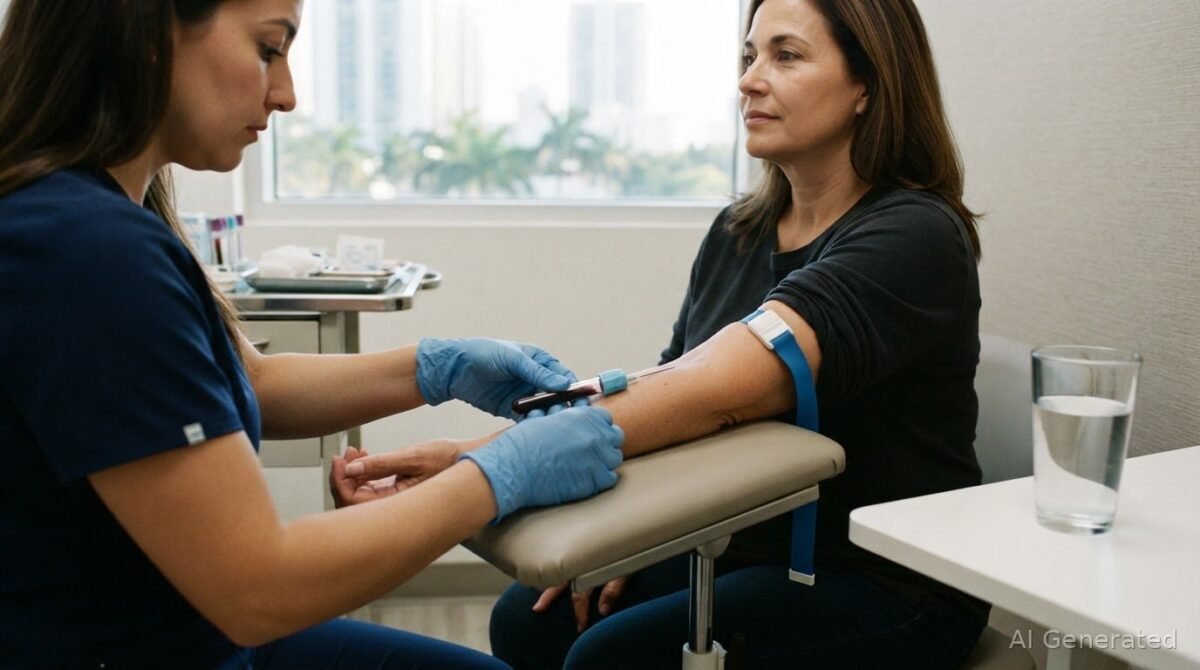
Water is often the one thing you can have before a fasting blood test. How to prepare for a blood draw depends on the specific tests ordered: if fasting is required, it may mean avoiding food and drinks other than plain water for 8 to 12 hours. Don’t stop or change medication on your own; ask your healthcare provider how to handle it, especially if you take diabetes medication.
Preparing for a blood draw can feel confusing when fasting instructions and regular medications seem to conflict. Clear guidance helps protect the usefulness of your results and make the appointment more comfortable. If you’re unsure what your test requires, ask your healthcare provider before the day of the draw.
This guide explains when fasting may be needed, what you can drink, how hydration and medications fit in, and ways to manage anxiety and care for the draw site afterward. You’ll also learn what to do if you accidentally eat or drink something that wasn’t allowed.
Key Takeaways
- Test requirements vary, and some tests call for specific food, drink, or activity adjustments beyond a standard fast.
- A good night’s rest and drinking plain water can help make the blood draw easier.
- Slow breathing, looking away, or listening to quiet music may help you feel more at ease during the draw.
- Afterward, protect the draw site and follow simple aftercare steps to reduce the chance of bruising.
What types of lab tests require special preparation?
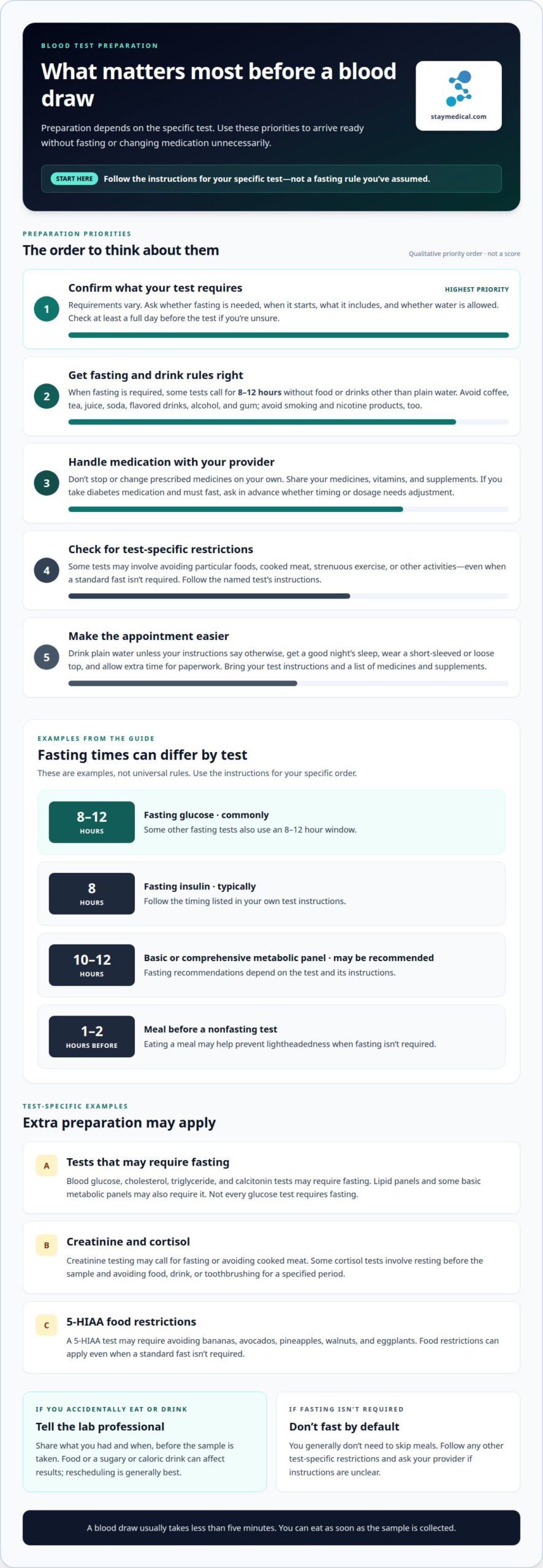
Preparation depends on the specific blood test, so follow its instructions rather than fasting by default. Wear a short-sleeved shirt or loose top, allow extra time for paperwork, and bring your test instructions and a list of medicines and supplements.
Tests That May Require Fasting
Fasting may be required for blood glucose, cholesterol, triglyceride, and calcitonin tests. Lipid panels and some basic metabolic panels may also require it. Eating and drinking can change the substances these tests measure, which may affect how results are interpreted. Not every glucose test requires fasting, so the test name alone may not answer the question.
Creatinine testing may call for fasting or avoiding cooked meat. Some cortisol tests involve resting before the sample and avoiding food, drink, or toothbrushing for a specified period. A 5-HIAA test may require avoiding foods such as bananas, avocados, pineapples, walnuts, and eggplants.
Fasting Rules and Restrictions
For some tests, fasting means avoiding food and all drinks except plain water for 8 to 12 hours. Follow the exact duration in your instructions; don’t assume every test uses the same window. During a fast, avoid coffee, tea, juice, soda, flavored drinks, alcohol, and gum. Avoid smoking and nicotine products, too.
Some tests have additional restrictions, such as avoiding alcohol beyond the fasting period. If you eat or drink a sugary or caloric beverage during a required fast, tell the lab professional. Rescheduling is generally best because the result may not reflect the intended preparation.
Eating Before Nonfasting Tests
If your test doesn’t require fasting, you generally don’t need to skip meals. Eating a meal 1 to 2 hours before a blood test may help prevent lightheadedness. Don’t impose fasting on yourself: going without food when it isn’t needed can make the appointment harder without improving preparation.
Test-specific instructions still matter. Some tests involve restrictions beyond food, including strenuous exercise or particular foods and drinks. For example, a 5-HIAA test may have food restrictions even if a standard fast isn’t required. Ask about the named test and follow its instructions.
Medication questions need separate attention. Don’t stop prescribed medicines before a lab test unless your healthcare provider tells you to. Tell them about medicines, vitamins, and supplements, since these can affect preparation instructions. If you take diabetes medication and must fast for a glucose or insulin test, ask in advance whether its timing or dosage needs adjustment.
For a basic or comprehensive metabolic panel, fasting may be recommended for 10 to 12 hours. A fasting insulin test typically calls for an 8-hour fast, while fasting glucose commonly takes 8 to 12 hours. These examples aren’t universal rules; follow the instructions for your specific order.
If you’re unsure whether to fast, ask your healthcare provider at least a full day before the blood test. Confirm what the fast includes, when it starts, and whether water is allowed. Clear instructions help you arrive prepared without skipping food or changing medication unnecessarily.
Can I drink anything besides water during a fast?
For a fasting blood test, plain water is allowed and encouraged. Coffee, tea, juice, and other drinks can break the fast, so follow the instructions for your specific test.
Permitted Drinks During a Fast
During a fast, plain water is permitted; coffee, tea, juice, soda, flavored beverages, and alcohol are not. Water helps you stay hydrated without adding food or calories that could affect some blood tests. Follow any special restrictions in your instructions rather than assuming water is the only preparation requirement.
Medication is different from a drink. Don’t stop or change medicines unless your healthcare provider tells you to. If you take diabetes medication and are fasting for a glucose or insulin test, ask in advance whether its timing or dosage needs adjustment. Tell your provider about the medicines, vitamins, and supplements you take.
Accidental Eating or Drinking
If you eat or drink something other than water during a required fast, tell the lab professional or provider what you had and when. Food or a sugary or caloric drink can affect results, so rescheduling is generally best. Don’t hide the mistake or assume the blood test can proceed as planned.
Raise questions about fasting instructions at least a full day before the test. If you realize there’s an issue on appointment day, share it before the sample is taken. The professional can use that information to decide whether to proceed or reschedule.
Rest and hydration can also help you prepare. A good night’s sleep and drinking water may make it easier for the phlebotomist to access a vein. Drink plain water before the appointment, including during a fast, unless your test instructions say otherwise.
A blood draw usually takes less than five minutes. The phlebotomist typically collects blood from a vein on the inside of your elbow. Wear a short-sleeved or loose top so your arm is accessible, and allow extra time in case you need to complete paperwork.
You can eat as soon as the sample is collected. Bringing a snack is useful after an overnight fast, especially if you’ll need food before continuing your day. Tell the lab professional if you didn’t follow the preparation instructions exactly so they can take that into account.
For questions about test preparation and your broader care, explore personalized medical care.
Managing anxiety during a blood draw
Anxiety about blood draws is common, whether it’s your first test or a familiar routine. A few practical choices can give you a steady focus while the phlebotomist collects the sample.
Before your appointment, tell your healthcare provider if blood draws make you anxious or if you’ve felt faint during one before. Discussing your concern in advance means you don’t have to explain it while feeling tense. You can also tell the phlebotomist when you arrive. They’re trained to support patients who feel anxious, and knowing your concern helps them respond with care.
During the draw, use slow breathing as a simple point of focus. Try taking five or more slow, calming breaths, paying attention to each breath in and out. If watching the needle increases your anxiety, look away while the sample is collected. Quiet music through headphones can also provide a gentle distraction.
Some people prefer company. A friend or family member can come along and keep the conversation going while you wait or during the procedure. You might agree beforehand to talk about a familiar subject, such as a weekend plan or a favorite show. A distraction won’t change the test itself, but it may make the appointment feel more manageable.
If you’re concerned about fainting, tell your healthcare provider before the test and mention it to the phlebotomist. Don’t wait until the needle is in place to share a previous experience. Clear communication gives the person collecting your sample useful context and creates an opportunity to discuss how to approach the draw.
A morning appointment can feel harder if you’re also fasting or thinking about the results. Follow the test’s preparation instructions, and don’t add extra restrictions on your own. If you’re unsure whether anxiety, fasting, or medication instructions affect your plan, discuss your concerns with your healthcare provider before test day. Be specific about what worries you and what has helped during previous blood tests.
After the appointment, note which strategies worked for next time. For example, you might remember that looking away helped more than music, or that bringing a family member made the wait easier. Sharing those details with your healthcare provider before another blood draw can help you plan around your needs and avoid facing the same uncertainty again.
Test results are a separate concern from the brief collection process. If worry about results is adding to your anxiety, tell your healthcare provider what’s on your mind. A clear conversation about the test and what happens next can help you focus on the appointment in front of you.
Aftercare and watching the draw site
After the sample is taken, protect the puncture site and watch for changes. Most aftercare is simple, but knowing what to expect helps you distinguish ordinary bruising from less common risks.
Caring for the Draw Site
Keep the bandage on for one to two hours after your appointment. It covers the small puncture while it settles. A small bruise can occur after a blood test and should fade within a few days. Check the area as you remove the bandage, and avoid rubbing or pressing it unnecessarily.
Avoid heavy lifting with the arm used for the draw for the rest of the day. For example, use your other arm to carry a heavy bag. This can help reduce bruising around the site. If your work or routine involves lifting, use the opposite arm where practical until the day is over.
Eating after the appointment is fine, including after a fast. If you brought a snack, you can eat it once the blood draw is finished. Keep the bandage in place for the recommended period, even if you feel ready to return to normal activities. The puncture site still needs time without extra pressure or strain.
Risks and Side Effects
Common effects after a blood draw include brief bleeding and bruising at the puncture site. Infection and clotting are rare risks. A small bruise that fades over a few days is different from these less common complications, but pay attention to any changes after the appointment.
Before another test, tell the phlebotomist about your medicines and allergies, especially if you take blood thinners or have a latex allergy. Also give your doctor or healthcare provider a current list of medicines, vitamins, and supplements. Some tests require special preparation, and this information helps guide those instructions.
If the site bleeds after the bandage is removed, apply pressure with a clean dressing. Keep your arm relaxed and avoid heavy lifting with it for the rest of the day. Monitor the area over the next few days. Bruising can take that long to fade, so its presence alone doesn’t mean there’s an infection or clot.
Share concerns about unusual changes with your healthcare provider, particularly if you’re unsure whether they’re expected. Mention when the blood draw took place and which arm was used. If you have another blood test appointment, describe any prior bleeding, bruising, or reaction before the next sample is collected. That history gives your care team useful context.
Hydration before a blood draw
Knowing how to prepare for a blood draw includes understanding how hydration fits your test instructions. Start drinking water the day before your blood test, then continue with plain water before the appointment. Good hydration may make veins easier for a phlebotomist to access, supporting smoother sample collection.
Hydration matters because blood tests require a sample from a vein, often inside the elbow. When you’re adequately hydrated, veins may be easier to locate. That can be useful if you feel nervous or have had a difficult draw before. Water can support vein access, but it doesn’t replace test-specific preparation instructions.
If your test requires fasting, plain water is allowed and encouraged. Coffee, tea, juice, soda, and flavored drinks aren’t substitutes, even if you usually drink them in the morning. A sugary or caloric beverage can affect certain results, including blood sugar testing. The practical distinction is simple: plain water is different from drinks with calories or flavorings.
For glucose testing, follow the fasting instructions for that specific test. Some glucose tests require fasting, while others don’t. If your instructions call for a fast, drink plain water rather than avoiding fluids altogether. If you accidentally have juice or another caloric drink, tell the lab professional before the sample is taken. They can decide whether testing should proceed or be rescheduled.
There’s no single water amount that fits every patient, so avoid forcing large quantities at once. Instead, drink water regularly the day before and have some before leaving for your appointment. If you have a medical reason to limit fluids, follow the guidance you’ve received rather than changing your intake for a blood test.
Hydration is only one part of preparation. Adequate rest and water may support easier vein access, while the test determines whether you need to fast or avoid anything else. Don’t eat or drink something restricted just because you feel thirsty. For a fasting test, choose plain water and follow the timing in your instructions.
A practical part of how to prepare for a blood draw is knowing what hydration can and can’t do. It may help with vein access, but it doesn’t correct preparation errors or determine what a glucose result means. If you’re unsure whether water is allowed for your test, clarify the instructions before the appointment. Tell the lab professional if you ate or drank something outside those instructions.
For laboratory testing and guidance on preparing for your sample, explore laboratory testing.
Stay Medical Clinic
Stay Medical Clinic offers Primary Care for people who want blood testing considered in the context of their broader health needs. If you’re unsure how preparation instructions relate to your health or ongoing care, a primary care visit gives you a place to discuss your questions and the context for your tests. Share any concerns about fasting, medications, hydration, or anxiety.
Stay Medical Clinic also provides a Weight Loss Program, Testosterone Replacement, and IV Therapy. These services address different health goals, while Primary Care provides a broader setting for discussing your overall well-being. The right next step depends on why you’re being tested and which questions you want to address.
Contact Stay Medical Clinic to discuss your care.
Make Your Next Test Feel More Manageable
Use your next appointment to make your care feel more informed and personal. Before the test, write down questions about its purpose, preparation, or how the results may guide a future conversation. If anything changes before the appointment, share that context with your healthcare provider rather than trying to interpret the instructions alone.
Knowing how to prepare for a blood draw can help you approach testing with greater clarity, but the most useful plan is tied to your specific test and health needs. Keep the instructions accessible, and speak up about concerns that could affect your preparation or comfort. Clear communication gives your care team a fuller picture and helps you take an active role in your health.
A thoughtful next step can begin with one clear question. You deserve to feel informed and supported as you move forward with your care.
Frequently Asked Questions
Can I take my medications while fasting for a lab test?
Don’t stop or change medication just because your lab test requires fasting. Some medicines may need to be taken on their usual schedule, while others may require specific instructions based on the test and your health. Ask the healthcare provider who prescribes the medication how to handle it before test day. This is especially important for diabetes medication before a fasting glucose or insulin test, since timing or dosage may need discussion.
Should you take medications before a blood draw?
Whether to take a dose before your blood draw depends on the medication and test instructions. Don’t skip or delay a dose on your own. Make a list of prescriptions, over-the-counter medicines, vitamins, and supplements, then share it with your healthcare provider. For example, if your appointment falls near your regular morning dose, ask in advance whether to take it at the usual time or follow different instructions.
What does it mean to fast before a blood test?
Fasting means avoiding food and most drinks for the period specified for your test, with plain water allowed for many fasting blood tests. It isn’t the same as simply skipping breakfast: the start time matters. If instructions call for an overnight fast, plan your last meal around that timing. Don’t use gum, sweetened drinks, or coffee as substitutes, since these can break the fast.
Which blood tests typically require fasting?
Blood glucose, cholesterol, triglyceride, and calcitonin tests are examples that may require fasting. Lipid panels and some basic metabolic panels may also involve fasting, depending on the order. Requirements can differ within a test category: not every glucose test requires fasting. Read the instructions for the specific test rather than assuming a previous blood test had the same preparation requirements.
Can I continue taking medicine during a fast?
Fasting instructions often concern food and drinks, not an automatic stop to prescribed medicine. Still, don’t assume every medication should be taken unchanged, especially if you have diabetes or take medicine with food. Ask the healthcare provider who manages the medication how to handle it during the fast. Include vitamins and supplements in that discussion, and tell the lab professional if you didn’t follow the instructions exactly.
How do I prepare for a lab test?
Start by identifying the exact test and reading its instructions, since preparation varies. Confirm whether fasting applies, what you may drink, and whether you need to avoid any foods or activities. Make a current list of medications and supplements, and raise unanswered questions before appointment day. Choose clothing that leaves your arm accessible, allow time for paperwork, and tell the lab professional if your preparation differed from the instructions.
How long should I fast?
When fasting is required, the period is commonly 8 to 12 hours, but the instruction for your specific test sets the timing. Some examples differ: fasting insulin typically calls for 8 hours, while fasting glucose commonly takes 8 to 12 hours. Don’t extend the fast beyond the instructions or begin one unless your healthcare provider says it’s needed. If the start time is unclear, clarify it before test day.
How should you prepare for a routine blood test?
First, confirm whether your particular test requires fasting; a routine appointment doesn’t mean every test has identical preparation requirements. Follow the instructions for food, drinks, and any test-specific restrictions. Keep taking medications as directed unless your healthcare provider gives you different instructions. Bring your medication and supplement list, wear a top that allows easy access to your arm, and mention allergies or previous difficulties with blood draws to the lab professional.
Disclaimer
This content is for informational purposes only and does not replace evaluation, diagnosis, or treatment by a medical professional. Always consult a qualified healthcare provider for personalized care.