
Men’s health check-up list: screenings and exam measurements
November 22, 2026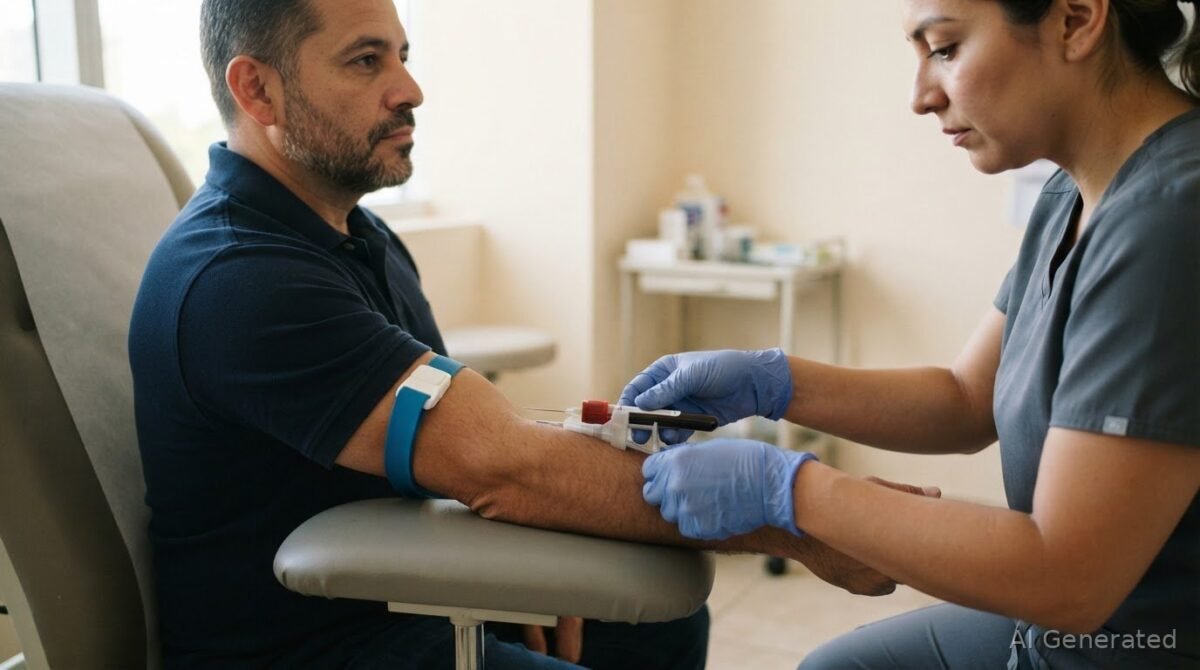
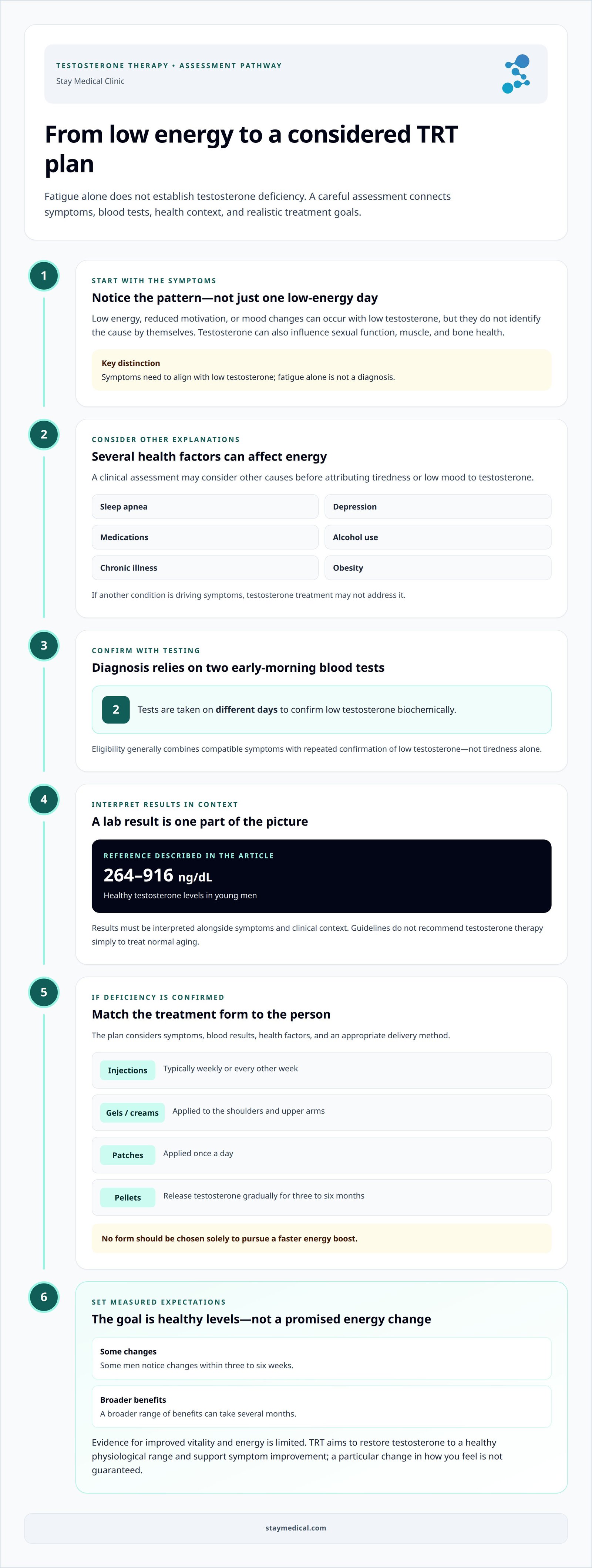
Low energy alone isn’t enough to establish that testosterone therapy is appropriate. TRT for increased energy and motivation may be considered when symptoms align with low testosterone and blood tests confirm deficiency; diagnosis typically relies on repeated morning testing. Treatment aims to restore low levels to a healthy range, not promise a particular change in how you feel.
It’s understandable to wonder whether changes in energy, drive, or mood could be connected to testosterone. These symptoms can have other causes, too, so careful assessment matters before treatment is considered.
This article explains what testosterone does, what TRT may and may not change about energy and mood, and why laboratory tests and blood pressure monitoring are part of responsible care. You’ll also learn how blood test results help shape a personalized treatment plan and what ongoing monitoring is designed to track.
Key Takeaways
- Low energy or changes in mood alone don’t establish testosterone deficiency; diagnosis combines compatible symptoms with repeated morning blood tests.
- TRT may affect energy and fatigue over time, but improvement in vitality isn’t assured and other causes of symptoms matter.
- Ongoing care includes laboratory testing every few months after treatment starts, with attention to blood counts, testosterone levels, PSA and blood pressure.
- Treatment aims for healthy testosterone levels and symptom improvement, not the highest possible lab result.
- A personalized assessment can help clarify what blood test results mean and whether TRT fits your health needs.
Can testosterone therapy promote youth and vitality?
Testosterone can influence energy, mood, sexual function, muscle, and bone health. Therapy is intended for confirmed deficiency, not as a general treatment for aging.
Low Testosterone and Vitality
Low testosterone, or hypogonadism, means the body has insufficient testosterone alongside related symptoms. Low energy, reduced motivation, and mood changes can occur, but they don’t identify the cause by themselves.
Testosterone levels typically decline about 1% per year in men after age 30 or 40. However, fatigue and low mood can also relate to sleep apnea, depression, medications, alcohol use, chronic illness, or obesity. Distinguishing these factors matters: treating testosterone won’t necessarily address symptoms driven by another condition.
Evidence for TRT and Vitality
Testosterone therapy can improve some symptoms in men with confirmed low testosterone, but evidence for improved vitality and energy is limited. The American College of Physicians says therapy might somewhat improve sexual function in some men, while energy benefits are less certain.
Some men notice changes within three to six weeks, while a broader range of benefits can take several months. This variation makes measured goals more useful than expecting a sudden return to youth. Treatment aims for healthy physiological levels and symptom improvement, not the highest possible test result.
How Replacement Therapy Works
Replacement therapy supplies testosterone through different forms. Injections are typically given weekly or every other week; gels and creams are applied to the shoulders and upper arms, while patches are applied once a day. Pellets release testosterone gradually for three to six months.
These forms differ in application, timing, and how testosterone enters the body. A treatment plan considers symptoms, blood results, health factors, and an appropriate delivery method. For example, a daily patch involves a different routine from an injection. No form should be chosen solely to pursue a faster energy boost.
Diagnosis and Treatment Eligibility
Eligibility generally requires compatible symptoms and repeated biochemical confirmation of low testosterone. Diagnosis uses two early-morning blood tests on different days, rather than fatigue alone. Healthy testosterone levels in young men are described as 264 to 916 ng/dL, but a result must be interpreted with symptoms and clinical context.
Guidelines don’t recommend testosterone therapy simply to treat normal aging. Lifestyle changes may support energy and naturally healthy testosterone: addressing weight, resistance exercise, sleep, and alcohol use can matter. These steps don’t replace evaluation when symptoms persist.
In the United States, TRT costs depend on treatment form, testing, and follow-up; insurance coverage varies by plan and clinical indication. A specific price is provided after a quote request.
How TRT may affect energy and fatigue
Testosterone is involved in several body functions, and low levels can accompany fatigue. Testosterone therapy can restore levels when deficiency is confirmed, but energy depends on more than one factor. Treatment is most relevant when symptoms and blood results together point to low testosterone. If levels are already normal, increasing them isn’t an established solution for tiredness.
Besides low testosterone, fatigue and reduced motivation can relate to sleep apnea, obesity, alcohol use, medications, depression, or chronic illness. For example, disrupted breathing during sleep can leave someone tired despite spending enough time in bed. These causes matter because testosterone treatment won’t resolve an unrelated condition. A careful assessment considers the whole pattern, including sleep, mood, medication use, and other health concerns.
Changes in energy aren’t always the first or clearest sign of treatment response. Someone may notice a shift in one symptom while fatigue remains, especially if another health factor is involved. Tracking energy alongside sleep quality, mood, and daily functioning gives treatment reviews more context than relying on a general impression. It also helps distinguish gradual change from a particularly good or difficult day.
Anemia is one specific fatigue-related issue studied in testosterone treatment. A 2023 randomized trial found testosterone replacement more effective than placebo at correcting anemia in middle-aged and older men with hypogonadism and anemia. The TRAVERSE trial also found anemia correction in some men with confirmed low testosterone. Improving anemia can support energy, but these findings concern men with both low testosterone and anemia, not everyone experiencing fatigue.
That distinction is important. A blood count can reveal anemia, while testosterone testing helps assess hormone deficiency; each result answers a different question. If tiredness persists, clinicians can interpret these findings alongside symptoms and broader health factors. Testosterone treatment aims to restore levels to a normal physiological range, rather than push results as high as possible. Monitoring also helps assess whether treatment is addressing the original symptoms.
For someone considering treatment, a professional testosterone replacement evaluation can connect fatigue concerns with appropriate assessment and follow-up. This is especially relevant when low motivation accompanies persistent tiredness, or when prior testing showed low testosterone. The goal is a reasoned plan based on the cause of symptoms, not treating every energy dip as a hormone problem.
Ongoing laboratory and blood pressure monitoring
Monitoring tracks whether treatment supports its goals and whether health markers change. After testosterone therapy starts, laboratory tests are generally repeated every few months. Results are considered alongside symptoms, treatment response, and blood pressure, rather than viewed as isolated numbers. This helps guide decisions about continuing or adjusting care.
Several measures have distinct purposes during follow-up:
- Testosterone levels: Free testosterone helps assess the hormone available to the body and whether treatment is meeting its intended target.
- Hematocrit and blood counts: Testosterone can stimulate excess red blood cell production and raise hematocrit. A high red cell level can increase blood clot risk, so results need review with symptoms and treatment response.
- PSA: This blood marker is monitored as part of prostate-related assessment during therapy.
- Blood pressure: Tracking readings helps identify changes during treatment and provides another measure of cardiovascular health.
A patient’s progress includes more than testosterone levels. Follow-up considers whether the original symptoms have changed, whether daily function feels different, and whether laboratory markers remain appropriate. For example, persistent fatigue alongside improved hormone results calls for a broader review, not an assumption that treatment has solved the problem. Laboratory testing provides measurable information for these discussions.
Safety review matters because testosterone can affect blood counts and other health measures. In the TRAVERSE trial, involving over 5,000 men, testosterone therapy was noninferior to placebo for major adverse cardiac events among men with hypogonadism and elevated cardiovascular risk. Atrial fibrillation, acute kidney injury, and pulmonary embolism appeared more frequent with testosterone therapy than placebo. These findings make individualized monitoring relevant, especially when a patient has cardiovascular or kidney concerns.
Follow-up also connects physical changes with appropriate timeframes. Muscle changes and improved bone density can take a few months to become fully apparent. In a controlled trial, one year of treatment increased volumetric bone density and estimated bone strength in older men with low testosterone. These outcomes don’t replace blood pressure checks or blood counts; they provide additional context for assessing treatment over time.
Consistent monitoring gives each review a clear purpose: compare symptoms, physical function, blood pressure, and laboratory results. If hematocrit rises, testosterone levels move beyond the intended range, or blood pressure changes, those findings inform clinical decisions. The focus remains a balanced treatment response, not simply a higher hormone result.
Mood changes and emotional well-being
Testosterone can be one factor in emotional well-being, but low mood or reduced motivation doesn’t identify low testosterone by itself. Depression, chronic illness, sleep apnea, alcohol use, and medications can also contribute to symptoms. That distinction matters: testosterone therapy targets confirmed deficiency, while an unrelated cause of emotional changes needs its own assessment.
Some men with low testosterone report lower motivation, irritability, or difficulty concentrating. These experiences can affect ordinary routines, such as making it harder to begin a familiar task or stay focused during a conversation. Tracking when changes began, how they affect daily life, and whether they shift over time gives a clinician useful context alongside blood test results.
Evidence for mood and vitality benefits isn’t equally strong across outcomes. The American College of Physicians says testosterone therapy might somewhat improve sexual function in some men, but evidence for improving energy and vitality is limited. Some men notice improvements in energy and mood within three to six weeks of starting treatment. That timing describes a possible experience, not a measure of success for every patient.
Mental clarity and motivation are also influenced by sleep, emotional health, and physical well-being. For example, sleep apnea can disrupt rest, while depression can affect interest and concentration. These factors can coexist with low testosterone. A thoughtful assessment therefore considers the pattern of symptoms rather than treating one concern, such as low drive, as proof of a hormone problem.
Testosterone is also related to physical characteristics, including muscle mass and bone health, but those changes don’t explain every emotional shift. Physical changes such as increased muscle mass or improved bone density can take a few months to become fully apparent. Separating physical goals from mood goals helps set clearer expectations and gives follow-up conversations specific topics to review.
A practical way to describe emotional changes is to note examples: reduced interest in usual activities, difficulty concentrating, or irritability affecting relationships. A clinician can compare those experiences with test results, sleep concerns, medications, and depression symptoms. If mood changes continue despite treatment, that information matters; it can prompt a broader review rather than an assumption that testosterone levels alone explain the decline.
Meaningful progress isn’t simply feeling more driven every day. It can involve a gradual return to normal routines, steadier concentration at work, or greater engagement with family. Considering those concrete changes alongside physical function and laboratory findings keeps emotional well-being in the treatment conversation without confusing it with a guaranteed hormone effect.
Blood testing and personalized treatment plans
A personalized plan connects laboratory results with symptoms, health history, and treatment priorities. For testosterone replacement therapy, a number alone doesn’t explain whether low energy, reduced sexual interest, or changes in vitality relate to testosterone. The clinical question is whether symptoms align with repeatedly low results and whether other health factors could explain them. This context turns blood testing into a decision tool, not a score to chase.
One reference point describes healthy testosterone levels in young men as 264 to 916 ng/dL. That range doesn’t automatically establish treatment eligibility for every person. Results need interpretation alongside symptoms, testing conditions, and the person’s health picture. For example, a value near a reference boundary means something different when repeated results and relevant symptoms tell a consistent story.
Personalization also means setting a clear treatment aim. The goal is to restore testosterone to normal physiological levels and assess whether relevant symptoms improve, not to produce the highest possible lab result. Before starting, the plan can identify which changes matter most: energy during the day, sexual function, mood, or another concern. Specific priorities make later monitoring more useful.
Blood results also help distinguish testosterone deficiency from other explanations. Obesity, sleep apnea, alcohol use, medications, depression, and chronic illness can imitate or contribute to low-testosterone symptoms. A result needs to be considered alongside these factors, rather than treated as a complete explanation. If a person’s results don’t align with their symptoms, the mismatch itself can guide further assessment.
Future goals belong in planning, too. Exogenous testosterone can suppress sperm production, so fertility plans should be discussed before treatment begins. Testosterone replacement doesn’t cure the underlying cause of low levels; stopping treatment can allow levels to fall and symptoms to return. These considerations affect whether treatment fits someone’s longer-term priorities, not just their immediate feelings of fatigue.
Ongoing monitoring then compares laboratory results with the original goals and the patient’s experience. If energy changes but sexual function or mood does not, that distinction helps assess the response more precisely. If results move beyond the intended physiological range, the treatment plan can be reviewed. This measured approach keeps vitality, symptoms, and testosterone production in view without assuming one test answers every question.
Stay Medical Clinic
Stay Medical Clinic can help you explore persistent low energy through a personalized medical assessment. If symptoms and blood tests point to low testosterone, Testosterone Replacement may be considered as part of care. If fatigue has another cause, Primary Care can help address the broader health picture. The right next step depends on your symptoms, test results, health history, and treatment goals, including whether changes in energy or mood affect daily life. Blood testing can help clarify what may be contributing, while ongoing medical monitoring supports thoughtful treatment decisions. TRT isn’t a general remedy for normal aging or every decline in motivation, so an assessment focuses on whether it fits your individual situation.
Contact Stay Medical Clinic to discuss your concerns and possible next steps.
Make your next step personal
If you’re considering TRT for increased energy and motivation, the next step isn’t to chase a particular feeling or lab result. Clarify what has changed in daily life and what kind of support would be meaningful. A conversation can connect those priorities with a thoughtful care plan, whether that involves Testosterone Replacement or another aspect of health. Stay Medical Clinic also offers a Weight Loss Program and IV Therapy as part of its broader care options. The right focus reflects your health needs, not a one-size-fits-all idea of vitality.
Bring your questions and concerns to a conversation, and take the next step at a pace that feels right for you.
Your health goals deserve thoughtful attention, and a clear next step can begin with a conversation.
Frequently Asked Questions
What is testosterone?
Testosterone is a hormone produced naturally in the testes in men and, in smaller amounts, in the ovaries in women. It contributes to functions including sexual health, muscle, and bone maintenance. Its levels and effects vary between individuals, so a single symptom or test result can’t describe the whole picture. Clinicians interpret testosterone results in the context of a person’s symptoms and health.
Does a naturally declining testosterone level cause the signs and symptoms of aging?
A gradual testosterone decline can occur with age, but it doesn’t explain every change associated with aging. Fatigue, mood changes, and reduced motivation can also relate to sleep apnea, depression, medications, alcohol use, or chronic illness. Testosterone therapy isn’t recommended simply to treat normal aging. The key distinction is whether relevant symptoms accompany repeatedly low testosterone, rather than assuming age explains a test result.
How long does it take to feel the benefits of TRT?
Some men report changes in energy or mood within three to six weeks of starting treatment, while other effects can take several months. Timing depends partly on which outcome is being assessed; changes in muscle or bone, for example, may take longer to become apparent. Follow-up can compare the original concerns with day-to-day changes, rather than relying on one unusually good or difficult day.
Is TRT safe for long-term use?
Long-term treatment requires ongoing medical review because testosterone can affect blood counts, blood pressure, and other health measures. Testosterone may raise hematocrit, and treatment can worsen sleep apnea. In the TRAVERSE trial, certain events, including atrial fibrillation, acute kidney injury, and pulmonary embolism, appeared more frequent with testosterone than placebo. A person’s health history and monitoring results inform whether continuing treatment remains appropriate.
Should you talk to your doctor about testosterone therapy?
Yes. Discuss persistent symptoms such as low energy, reduced sexual interest, or mood changes with a clinician, especially if they affect daily life. A clinician can review symptoms, medications, sleep, and blood test results together. For readers in Aventura, Bal Harbour, Bay Harbor Islands, Biscayne Park, Coral Gables, Cutler Bay, Doral, El Portal, Florida City, Golden Beach, Hialeah, Hialeah Gardens, Miami, Brickell, and Key Biscaya, local primary care can be a starting point for that conversation.
So, What’s the Catch?
TRT isn’t a quick fix for every cause of low energy, and treatment can involve ongoing monitoring. Exogenous testosterone can suppress sperm production, so fertility goals matter before starting. It also doesn’t cure the underlying cause of low testosterone; stopping treatment can cause levels to fall and symptoms to return. These trade-offs make it useful to clarify treatment goals and longer-term priorities before deciding.
What are the risks of testosterone therapy for normal aging?
Using testosterone solely to address normal aging has uncertain benefits and potential risks. According to the Centers for Medicare & Medicaid Services, the FDA hasn’t established the benefits or safety of testosterone for low levels due to aging, even when symptoms seem related. Other concerns include raised hematocrit, worsening sleep apnea, and suppressed sperm production. These are reasons to distinguish confirmed deficiency from age-related changes.
Who Is a Candidate for TRT?
A candidate generally has symptoms consistent with testosterone deficiency and repeatedly low testosterone confirmed by testing. Relevant symptoms can include low energy or reduced sexual interest, though either alone doesn’t establish eligibility. Diagnosis typically uses two early-morning blood tests on different days. Results are considered alongside health history and other possible causes, such as sleep apnea, depression, medications, or chronic illness, before treatment is considered.
Disclaimer
This content is for informational purposes only and does not replace evaluation, diagnosis, or treatment by a medical professional. Always consult a qualified healthcare provider for personalized care.