

How to Break a Weight Loss Plateau on Semaglutide: A Medical Protocol for 2026
August 20, 2026
Signs of Low T in Men Under 30: A Comprehensive Guide to Early Hormonal Health
August 22, 2026
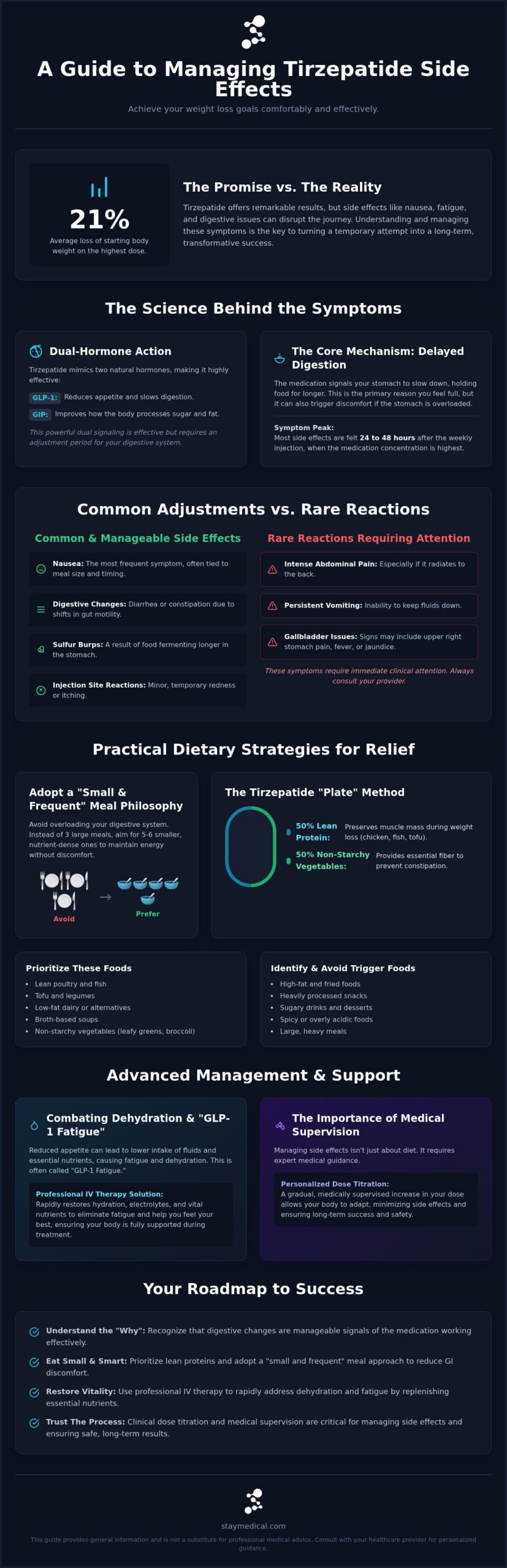
Clinical trials show that patients taking the highest dose of tirzepatide lose an average of 21% of their starting body weight, yet these remarkable results are only possible if you can stay the course. For many, the journey is interrupted by persistent nausea, disruptive digestive changes, or a sudden drop in energy that makes daily life feel like a struggle. If you’ve felt anxious about your next dose increase or wondered if the discomfort is simply the price of progress, you aren’t alone. Successfully managing side effects of tirzepatide is often the deciding factor between a temporary attempt and a transformative, long-term lifestyle success.
At Stay Medical Clinic, we believe clinical results shouldn’t come at the cost of your daily vitality. We understand that these symptoms are biological signals rather than signs of failure. This guide offers a comprehensive roadmap to help you restore your natural rhythm and maintain high energy levels while on your medication. You’ll discover professional strategies to eliminate discomfort, medical insights into nutrient synergy, and the practical steps needed to ensure your path to wellness remains both comfortable and effective.
Key Takeaways
- Understand how Tirzepatide’s dual-action mechanism affects digestion and why these biological signals are manageable steps toward your weight loss goals.
- Learn why adopting a “small and frequent” meal philosophy and prioritizing lean proteins can significantly reduce gastrointestinal discomfort.
- Discover how professional IV therapy can rapidly address dehydration and “GLP-1 fatigue” by restoring essential electrolytes and nutrients.
- Explore the clinical importance of dose titration and medical supervision in managing side effects of tirzepatide to ensure long-term success.
- Find out why a personalized, boutique clinical approach provides a safer and more supportive environment than standard telehealth options.
Understanding Why Tirzepatide Causes Side Effects
Tirzepatide represents a significant advancement in metabolic medicine. Unlike previous generations of weight loss medications, it acts as a dual agonist. This means it mimics two distinct naturally occurring hormones: glucose-dependent insulinotropic polypeptide (GIP) and glucagon-like peptide-1 (GLP-1). While this dual action is exactly what makes it so effective for weight loss, it’s also the reason your body requires an adjustment period. Managing side effects of tirzepatide begins with recognizing that your digestive system is literally learning a new way to operate.
The primary mechanism responsible for both satiety and discomfort is delayed gastric emptying. Essentially, the medication signals your stomach to slow down the process of moving food into the small intestine. You feel full longer because your stomach actually stays full longer. However, if the stomach is too full or if the delay is significant, it can trigger nausea or acid reflux. Most patients find that symptoms peak within 24 to 48 hours after their weekly injection, as the medication reaches its highest concentration in the bloodstream. Detailed information about the chemical structure and clinical background can be found on Tirzepatide on Wikipedia.
The Role of GIP and GLP-1 Hormones
These two hormones work in tandem to communicate with your brain and gut. GLP-1 is well-known for reducing appetite and slowing digestion, while GIP is thought to improve how the body breaks down sugar and fat. By activating both receptors, tirzepatide offers a more comprehensive metabolic signal than single-hormone medications like Semaglutide. This intensive signaling can sometimes overstimulate the digestive tract, leading to the temporary motility changes that cause discomfort during the first few weeks of treatment.
Common vs. Rare Side Effects
Most individuals experience what we call “expected adjustments” as the body acclimates to the medication. These are typically mild to moderate and include:
- Nausea: The most frequent report, often linked to the speed of digestion.
- Diarrhea or Constipation: Shifts in gut motility can move things too quickly or too slowly.
- Sulfur Burps: A result of food sitting longer in the stomach and undergoing natural fermentation.
- Injection Site Reactions: Minor redness or itching where the needle entered the skin.
While these are common, it’s vital to distinguish them from rare, severe reactions. Intense abdominal pain that radiates to the back, persistent vomiting, or signs of a gallbladder issue require immediate clinical attention. Understanding this distinction is a cornerstone of successfully managing side effects of tirzepatide while staying focused on your health journey.
Practical Dietary Strategies for Gastrointestinal Relief
Managing side effects of tirzepatide requires a fundamental shift in how you perceive satiety. Because the medication slows gastric emptying, your stomach can’t process large volumes of food as it once did. Overloading the digestive system is the most common trigger for nausea and vomiting. To avoid this, we recommend adopting a “small and frequent” meal philosophy. Instead of three traditional meals, aim for five or six nutrient-dense snacks throughout the day. This keeps your blood sugar stable without overtaxing your stomach’s capacity. Eat slowly. Your brain needs time to catch up with your body’s new pace.
Protein is your most valuable ally. During rapid weight loss, the body may attempt to burn muscle mass for energy. Prioritizing lean sources like chicken, fish, or tofu ensures you lose fat while maintaining strength. Conversely, you should identify and avoid high-fat, fried, or heavily processed “trigger foods.” According to the FDA Prescribing Information for Tirzepatide, gastrointestinal adverse reactions are significantly more common when patients consume high-fat meals. Listen to your body’s signals and stop eating at the very first sign of fullness. Pushing through “one last bite” often leads to immediate discomfort or reflux.
The Tirzepatide “Plate” Method
Your plate should look different now. We suggest filling half your portion with non-starchy vegetables to ensure adequate fiber intake; this is essential for preventing constipation. The other half should focus on lean protein. On days when nausea feels more intense, typically right after an injection, don’t be afraid to utilize the BRAT diet (bananas, rice, applesauce, toast). These bland options provide necessary carbohydrates without irritating a sensitive stomach, helping you stay consistent with managing side effects of tirzepatide.
Optimizing Meal Timing
Timing is just as critical as content. We advise patients to finish their last meal at least two to three hours before bedtime. Lying down with food still in the stomach can exacerbate acid reflux and nighttime nausea. If you’re managing food aversion the day after your injection, focus on small sips of protein shakes or bone broth to maintain your energy. For those enjoying the vibrant dining scene in Brickell, look for restaurants that offer grilled options or small plates. Our weight loss program provides the personalized nutritional coaching needed to navigate these social situations with confidence and ease.
Combating Dehydration and Fatigue with IV Therapy
While nausea often gets the most attention, fatigue and dehydration are equally significant hurdles in managing side effects of tirzepatide. This medication doesn’t just slow your digestion; it can also quiet the brain’s thirst cues. Many patients simply forget to drink enough water because they no longer feel the physiological urge. When you combine reduced fluid intake with the potential for diarrhea or vomiting, the risk of rapid dehydration increases. This often manifests as “GLP-1 fatigue,” a heavy, sluggish feeling that can derail your daily productivity and exercise routine. Reviewing Tirzepatide patient information from MedlinePlus confirms that monitoring fluid intake and electrolyte balance is a clinical priority for those on this therapy.
Low energy levels are frequently tied to an electrolyte imbalance. When your body loses fluids, it also loses essential minerals like sodium, potassium, and magnesium. Magnesium, in particular, is vital for over 300 biochemical reactions, including energy production. If your levels dip, the resulting lethargy can make it feel impossible to stay active. Proactively addressing these gaps is essential for anyone committed to a long-term weight loss journey.
The Dehydration Trap in Miami’s Climate
Living in Brickell means navigating high humidity and intense heat, which naturally increases your fluid requirements. For someone on a weight loss journey, this environment turns mild dehydration into a clinical concern quite quickly. You should watch for specific warning signs like dizziness when standing, dark urine, or a persistent, dull headache. Oral rehydration is often insufficient during the initial adjustment phase because the slowed gastric emptying makes it difficult to drink the large volumes of water needed to catch up without feeling bloated or nauseated.
IV Hydration: A Recovery Accelerator
This is where medical-grade support becomes transformative. IV Therapy offers a direct solution by delivering fluids and nutrients with 100% bioavailability. By bypassing the digestive system entirely, we ensure your body receives the hydration it needs without the discomfort of a full stomach. At Stay Medical Clinic, we customize these drips to align with your specific symptoms. We often incorporate Vitamin B12 to support metabolic energy and Magnesium to help soothe muscle cramps and promote a calm nervous system. Many of our patients find that scheduling an IV session 24 to 48 hours after their injection helps them bypass the “peak” fatigue window entirely. This proactive approach is a cornerstone of successfully managing side effects of tirzepatide, allowing you to maintain your vitality while your body adapts to the medication.
Medical Oversight: When to Adjust Your Routine
Managing side effects of tirzepatide isn’t a task you should handle alone. It requires a sophisticated clinical partnership that prioritizes your comfort as much as your results. While the medication is a powerful metabolic tool, its impact on your internal systems must be monitored with professional precision. A medically supervised weight loss program provides the essential safety net needed to navigate these biological shifts. By utilizing on-site lab testing, our team can track your kidney function, liver enzymes, and glucose levels in real-time. This data-driven approach ensures that your weight loss is both safe and sustainable, moving beyond the guesswork often found in less structured environments.
The Art of Dose Titration
The clinical standard for tirzepatide involves a structured titration schedule, typically increasing the dose every four weeks. This “start low and go slow” method is intentionally designed to give your digestive system and brain time to adapt to new hormonal signals. However, titration isn’t a rigid race to the highest dose. If you’re losing weight effectively and feeling vibrant on a lower dose, we may choose to maintain that level for a longer period. Rushing to a higher dose before your body has fully acclimated is one of the most common triggers for severe gastrointestinal distress. You should never skip a dose or attempt to self-adjust your medication schedule without professional guidance. These decisions require a seasoned clinical perspective to maintain the delicate balance of your metabolic health.
Red Flags: When to Contact Stay Medical Immediately
It’s vital to distinguish between a temporary adjustment period and a serious medical concern. While mild nausea is an expected part of the journey for some, severe abdominal pain that radiates to your back or persistent, uncontrollable vomiting are significant red flags. These symptoms could indicate rare but serious issues like pancreatitis or gallbladder inflammation that require immediate attention. Similarly, while general fatigue is often linked to hydration, sudden shakiness, sweating, or confusion could signal clinical hypoglycemia. Our team in Brickell is specifically trained to identify these nuances quickly. We prioritize your safety and comfort above all else, ensuring that any urgent concerns are addressed with the intentionality and speed you deserve in a boutique clinical setting.
Schedule your clinical consultation today
The Stay Medical Approach to Tirzepatide in Brickell
The rise of digital health has made access to medications easier, but it has often come at the expense of comprehensive clinical care. At Stay Medical Clinic, we believe that managing side effects of tirzepatide is too nuanced for a “one-size-fits-all” telehealth platform. Our boutique experience in Brickell prioritizes face-to-face consultations, allowing our providers to observe subtle physical cues that a camera might miss. By integrating Primary Care with specialized weight loss, we treat you as a whole person rather than just a clinical case. This partnership ensures that your journey isn’t just about the number on the scale, but about your overall vitality and long-term health.
We often combine our weight loss protocols with IM injections to provide immediate metabolic support. These intramuscular treatments deliver essential vitamins and nutrients that help bridge the gap when your appetite is low. By bypassing the digestive tract, these injections ensure your body has the raw materials it needs to burn fat efficiently while maintaining high energy levels. This multi-modal strategy is a cornerstone of our success in helping patients stay on track even when the initial adjustment phase feels challenging.
Personalized Wellness Plans
A prescription is only one piece of the puzzle. We use your unique lab data to build a holistic lifestyle strategy that adapts as your body changes. If your labs show a specific nutrient deficiency or a metabolic slowdown, we refine your treatment immediately. This level of precision is only possible through a trust-based relationship with a local healthcare team. We don’t just hand you a medication pen and send you home. We stay by your side, adjusting your plan in real-time to ensure you remain comfortable and successful. Managing side effects of tirzepatide becomes a manageable, predictable process when backed by this level of clinical detail.
Joining Our Weight Loss Community
Your first consultation at Stay Medical is designed to be a stress-free, welcoming experience. We’ll discuss your medical history, your goals, and any anxieties you have about starting a new medication. Our commitment to your well-being extends far beyond the initial appointment. We’re invested in your sustainable results and your ability to live a vibrant, active life in Miami. You deserve a weight loss partner that is as dedicated to your success as you are.
Book your weight loss consultation in Brickell today.
Your Path to a Healthier, More Vibrant Future
Achieving significant weight loss is a journey of both biology and persistence. By understanding how your body responds to dual-hormone therapy, you can transform temporary discomfort into a manageable part of your success story. From adopting strategic dietary habits to utilizing on-site IV therapy for rapid symptom relief, the tools for comfort are well within your reach. Successfully managing side effects of tirzepatide isn’t just about endurance; it’s about having the right clinical partner to guide your progress with precision.
Our expert clinical team in Brickell provides the personalized dosing and continuous monitoring necessary to keep your metabolic health on track. With on-site lab work and tailored wellness plans, we ensure every aspect of your care is grounded in data and delivered with empathetic warmth. You don’t have to navigate these changes alone. Your goals are achievable, and we’re here to ensure you feel seen and supported every step of the way.
Frequently Asked Questions
How long do Tirzepatide side effects usually last?
Most side effects are temporary and typically resolve within a few days to a few weeks as your body adjusts to the medication. While nausea or indigestion may peak 24 to 48 hours after your first few injections, these symptoms usually diminish once you reach a stable maintenance dose. If discomfort persists beyond the initial titration period, it’s essential to consult with your provider to evaluate your management strategy and ensure long-term success.
Can I take over-the-counter nausea medication with Tirzepatide?
Yes, many patients find relief using over-the-counter options like ginger supplements or bismuth subsalicylate, but you should always check with your clinical team first. These remedies can provide short-term comfort for managing side effects of tirzepatide while your body acclimates. If standard OTC options aren’t effective, your doctor might prescribe a stronger anti-nausea medication to ensure you stay comfortable and consistent during your medically supervised weight loss journey.
Why am I so tired after my Tirzepatide injection?
Post-injection fatigue is often caused by a combination of reduced caloric intake and shifts in blood sugar levels. Because the medication slows digestion, your body is working differently to process energy. Additionally, dehydration can play a major role in this sluggishness. Proactive hydration and nutrient support, such as vitamin injections or IV therapy, can significantly help restore your energy levels and combat this common adjustment phase effectively.
Does the injection site affect how many side effects I have?
Some clinical evidence and patient reports suggest that rotating your injection site between the abdomen, thigh, and upper arm may influence the intensity of nausea. While the medication’s absorption is systemic, some individuals find that injecting into the thigh or back of the arm reduces gastrointestinal distress compared to the stomach. Experimenting with these locations under clinical guidance can be a simple yet effective way of managing side effects of tirzepatide.
What should I do if I miss a dose of Tirzepatide?
If you miss a dose, you should take it as soon as possible within four days of the scheduled date. If more than four days have passed, skip the missed dose and resume your regular schedule on the next planned day. You should never take two doses within three days of each other. Consistency is key for metabolic stability, so mark your calendar to stay on track and avoid unnecessary symptom flares.
Is hair loss a common side effect of Tirzepatide?
Hair thinning, known as telogen effluvium, isn’t a direct side effect of the medication itself but rather a common response to rapid weight loss. When the body undergoes significant physical changes or caloric restriction, it can temporarily shift resources away from non-essential functions like hair growth. Ensuring adequate protein intake and monitoring your nutrient levels with regular lab testing can help minimize this effect and support healthy, vibrant regrowth over time; for those seeking specialized clinical support, you can visit DHI South Africa to explore professional hair restoration options.
You should exercise caution with alcohol, as it can worsen gastrointestinal symptoms and increase the risk of dehydration. Alcohol irritates the stomach lining and can lead to more intense nausea or acid reflux when combined with slowed gastric emptying. Many patients also find that their tolerance decreases significantly while on the medication. It’s best to limit intake, especially during the first few days after your weekly injection, to maintain comfort.
Will my side effects come back every time I increase my dose?
It’s common to experience a brief recurrence of mild symptoms each time you step up to a higher dose. This happens because your body is recalibrating to a stronger hormonal signal. However, these symptoms are usually less intense than the ones you felt when first starting the medication. Following a structured titration schedule and maintaining your hydration and dietary habits will help ensure these transitions remain smooth, predictable, and manageable.
Disclaimer
This content is for informational purposes only and does not replace evaluation, diagnosis, or treatment by a medical professional. Always consult a qualified healthcare provider for personalized care.