

2025–2030 Dietary Guidelines for Americans: “Eat Real Food” and What the New U.S. Nutrition Policy Means
January 9, 2026
The best weight loss medications according to the latest Clinical Guidelines
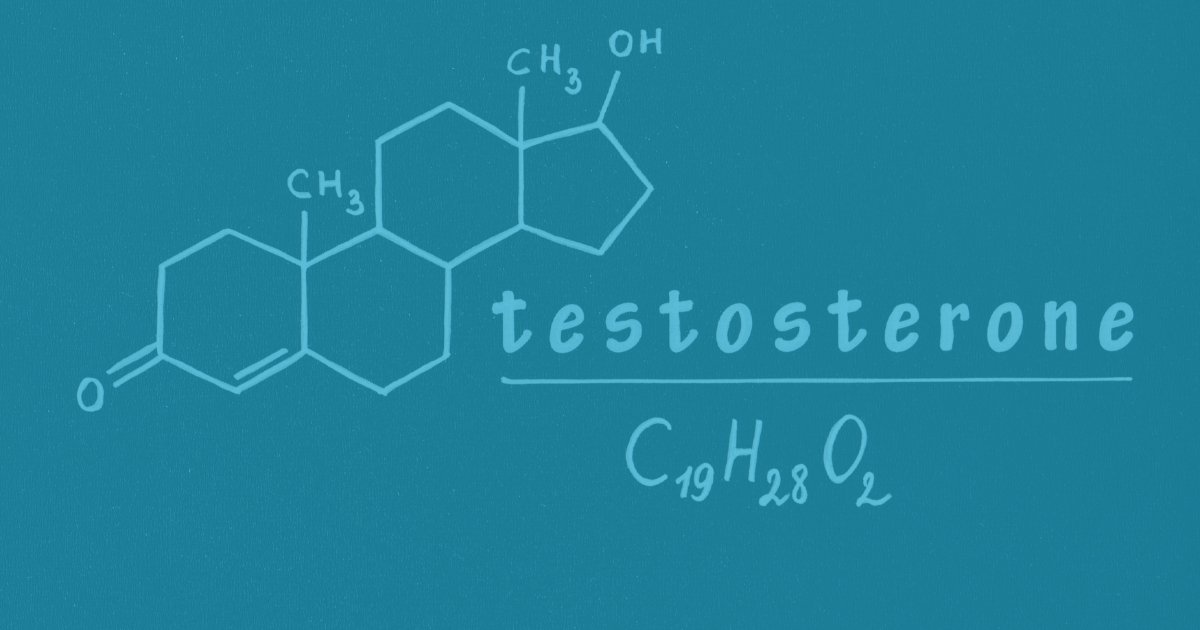
January 20, 2026Testosterone and L-arginine are often mentioned together in conversations about men’s health—especially energy, muscle, and sexual performance. They are not the same thing: testosterone is a hormone, while L-arginine is an amino acid involved in making nitric oxide, which supports blood vessel function.
Below is a science-based guide to what each does, how they may (and may not) relate, and what to know before starting supplements or testosterone therapy.
What Testosterone Does (and Why It Matters)
Testosterone plays a key role in multiple body systems—especially in men—supporting
sexual function, muscle mass, bone density, and aspects of
mood and vitality.
Low Testosterone (“Testosterone Deficiency”): How It’s Diagnosed
Medical guidelines emphasize that low testosterone is not diagnosed by symptoms alone.
The diagnosis is typically made when both are present:
- Symptoms/signs consistent with testosterone deficiency, and
- Consistently low testosterone levels confirmed with properly timed lab testing.
The Endocrine Society recommends measuring fasting morning total testosterone using a reliable assay,
then confirming the diagnosis by repeating a morning fasting measurement on a different day.
(Testosterone varies day-to-day and can be affected by food intake.)
Source: Endocrine Society Clinical Practice Guideline (2018).
Read guideline resource
The American Urological Association (AUA) guideline also supports diagnosis only after
two separate total testosterone measurements, and uses a total testosterone level
below 300 ng/dL as a reasonable diagnostic cut-off in support of low testosterone (with clinical context).
Source: AUA Testosterone Deficiency Guideline.
Read AUA guideline
What L-Arginine Is and Why Nitric Oxide Matters
L-arginine is an amino acid your body can use to produce nitric oxide (NO).
Nitric oxide helps blood vessels relax and widen, supporting blood flow.
That’s why L-arginine is commonly discussed for circulation-related goals, including sexual function.
L-Arginine for Erectile Dysfunction: What the Evidence Shows
A 2019 systematic review and meta-analysis of randomized controlled trials reported that L-arginine
(in studies using dosages ranging from 1,500 to 5,000 mg) significantly improved erectile dysfunction
compared with placebo or no treatment in the included trials.
Source: Rhim et al., 2019 (Journal of Sexual Medicine) – PubMed record:
View on PubMed
Important: this does not mean L-arginine works for everyone. Erectile dysfunction can be vascular,
hormonal, psychological, medication-related, metabolic, or mixed—so the best approach depends on the cause.
Does L-Arginine Increase Testosterone?
L-arginine is not a testosterone replacement and should not be marketed as a proven way to “boost”
testosterone to clinically meaningful levels. Most evidence for L-arginine centers on
blood flow (nitric oxide pathways) and certain cardiovascular/sexual function outcomes—not reliable testosterone elevation.
However, it can be discussed alongside testosterone because improved circulation may support sexual function,
while testosterone affects libido, energy, and body composition—two different parts of the same overall health picture.
Safety: Side Effects and Medication Interactions
Even though it’s sold as a supplement, L-arginine can cause side effects and interact with medications.
Mayo Clinic notes that L-arginine may lower blood pressure and can increase the risk of blood pressure becoming too low
when combined with blood pressure drugs (and certain herbs/supplements). It may also interact with medications that affect clotting.
Source: Mayo Clinic – L-arginine supplement overview:
Read Mayo Clinic
Use Extra Caution If You:
- Take blood pressure medications (risk of low blood pressure).
- Use anticoagulants/antiplatelets (possible bleeding risk).
- Use erectile dysfunction medications (ask your clinician about combined use).
- Have significant cardiovascular, kidney, or chronic health conditions.
Medical disclaimer: This article is for education and does not replace medical advice.
Always talk with a qualified clinician before starting supplements or hormone therapy.
When to Consider Hormone and Health Lab Testing
If you have persistent symptoms such as low libido, reduced spontaneous erections, unexplained fatigue,
decreased strength, or other concerns, lab testing can help clarify whether testosterone deficiency is involved
and rule out other causes.
Clinical guidelines typically recommend morning testing (often fasting) and
repeat confirmation before diagnosing testosterone deficiency.
Guideline details (JCEM)