

Complete blood check: What your results mean and what tests show
November 27, 2026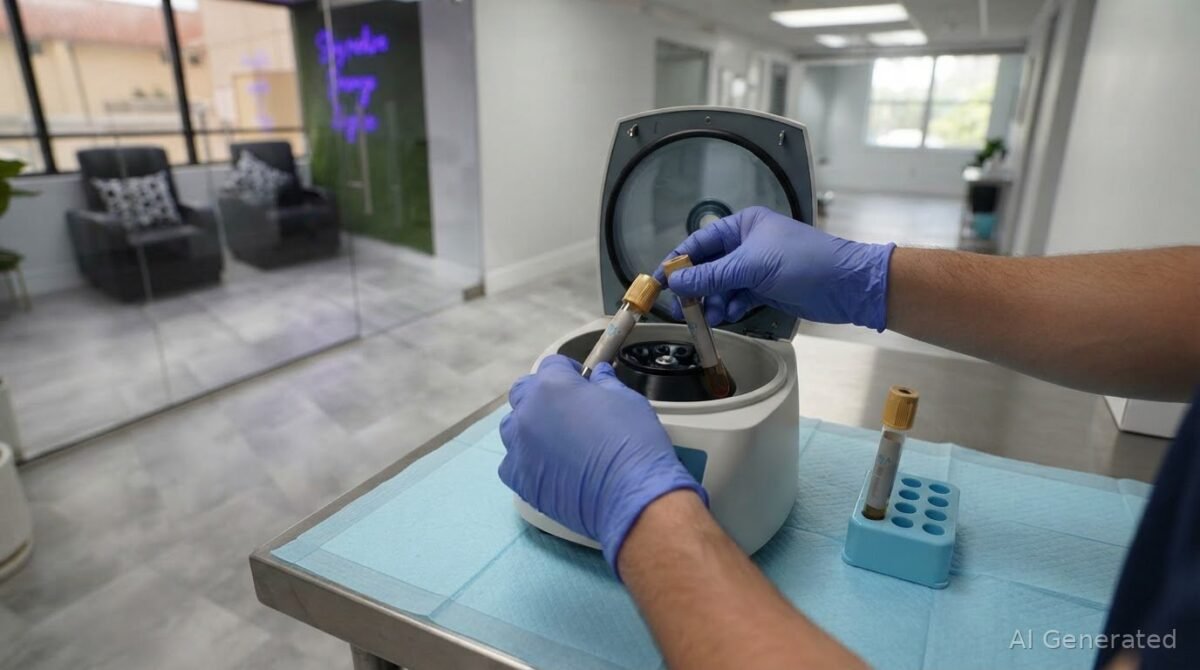
A vitamin D blood test is one option for vitamin deficiency testing in Miami, and testing can also include vitamin B12 or B12 with folates. In Brickell, the cost depends on the specific test, so it helps to know which vitamin is being assessed before comparing prices.
If you’re looking for vitamin deficiency testing in Miami, the right test depends on the health question you want answered. This guide explains what to consider when discussing vitamin testing, how results can inform conversations about food and supplements, and what may affect testing costs.
A clinician can interpret results in context, alongside your health needs and history. That helps make the next step more informed, with testing and guidance grounded in your results.
Key Takeaways
- Learn how vitamin D, B12, and folate tests can help assess different nutritional concerns.
- See what influences vitamin D test costs in the Miami Beach area and how test type affects the comparison.
- Understand how clinicians interpret results alongside your health needs before discussing diet or supplements.
- Get a clearer picture of arranging testing through a clinic and finding options near Miami Beach and Miami.
- Explore how laboratory testing can support a more informed conversation about your next steps in care.
How clinicians use test results to guide diet and supplement recommendations
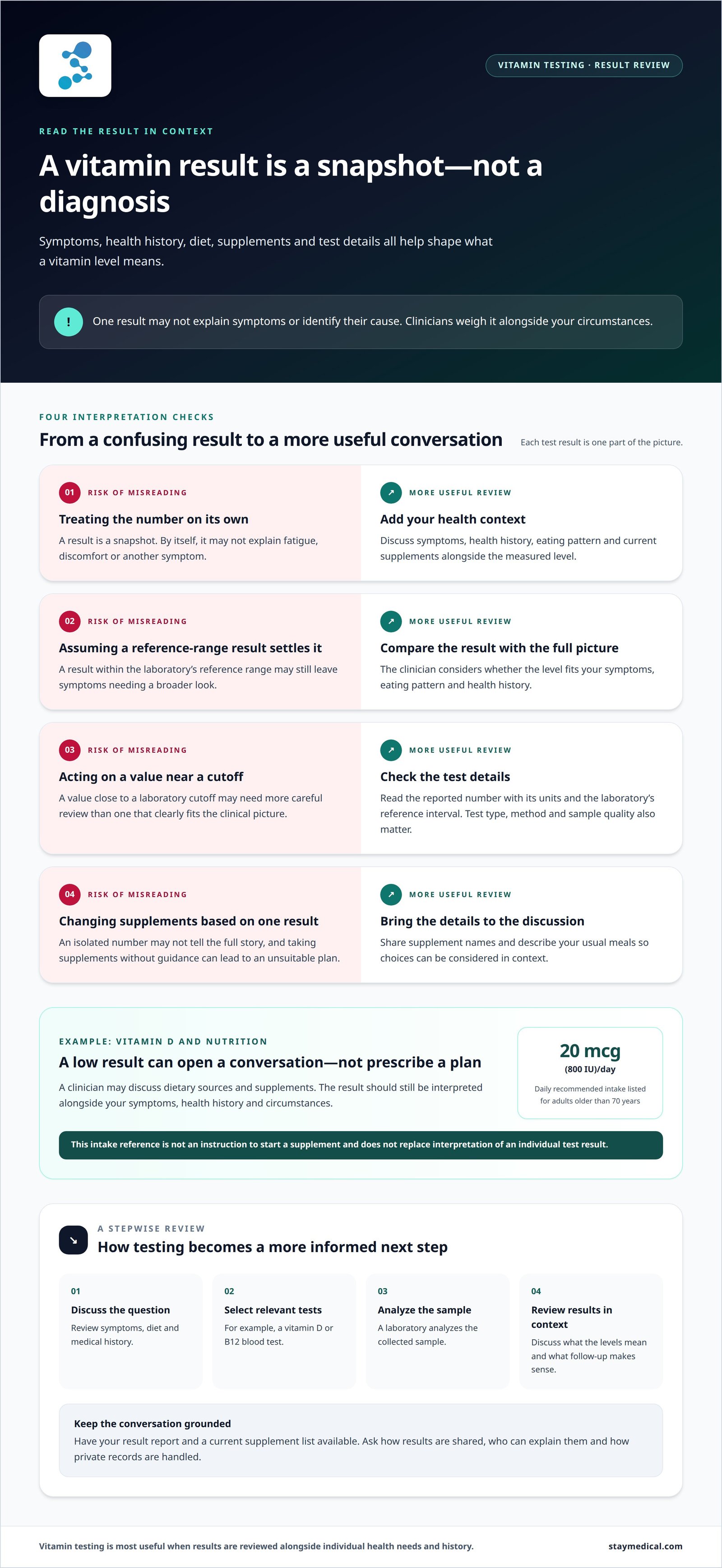
A clinician considers measured vitamin levels alongside symptoms, health history, diet, and current supplements. Vitamin tests have limits: a result is a snapshot and may not, by itself, explain symptoms or identify their cause.
How clinicians apply results to nutrition choices
After reviewing a result, the clinician considers whether it fits your symptoms, eating pattern, and health history. A low vitamin D result, for example, may prompt a discussion about dietary sources and supplements. A result within the laboratory’s reference range may instead call for a broader look at other possible explanations for symptoms.
Age also informs nutrition discussions. For adults older than 70 years, the National Institutes of Health Office of Dietary Supplements lists 20 mcg (800 IU) IU/day as the daily recommended intake. That figure is a reference for intake, not an instruction to start a supplement or a replacement for interpreting an individual’s test result.
Clinicians can also ask about your current supplements and dietary habits before discussing changes. Bringing product names and a clear description of your usual meals helps connect the laboratory result to practical choices, such as focusing on food, considering a supplement, or assessing another factor.
Understanding Result Accuracy and Limitations
Vitamin D results need context. The test type, laboratory method, sample quality, and your circumstances all matter to interpretation. A value close to a laboratory cutoff may need more careful review than one that clearly fits the clinical picture. Read the reported number with its units and the laboratory’s reference interval.
A test measures a level, but it cannot establish every reason for fatigue, discomfort, or another symptom. Results may not tell the full story if they conflict with your history. Clinicians weigh those differences rather than treating one result as a complete diagnosis.
That distinction reduces the chance of acting on an isolated number. Taking supplements without guidance can lead to an unsuitable plan, while focusing on one vitamin may leave another cause unexplored. Share your current supplements and relevant health details during the result review.
Ordering vitamin tests and receiving results through a clinic
The process generally begins with a clinical conversation about symptoms, diet, medical history, and the question testing should answer. The clinician then selects relevant tests, such as a vitamin D or B12 blood test, and explains the sample collection step. A laboratory analyzes the sample, and the results are reviewed in context.
Before testing, ask how results are shared, who can explain them, and how private records are handled. These details clarify what support is available after the blood draw. A useful review explains what each level means, whether it fits your circumstances, and what follow-up makes sense.
Keep the result report and a current supplement list available for that discussion. If a result is unexpected, the clinician can consider the test method, sample details, and your health history before recommending a change. This stepwise approach makes nutrition decisions more specific than relying on symptoms alone.
Related vitamin tests and panels
Related testing can focus on one nutrient or combine several measurements in a panel. The useful choice depends on the clinical question, which tests are included, and what the results could clarify.
Individual vitamin tests and grouped panels
A single test targets a specific measurement. Examples include vitamin B12, folate, and vitamin D testing. For vitamin D, the test name matters: 25-hydroxy and 1,25-dihydroxy are distinct test names, so a request should identify which measurement is intended.
A vitamin panel groups multiple tests under one order, but the word “panel” doesn’t identify its contents. Review the test names rather than assuming every panel measures the same nutrients. For example, a combination of B12 and folate tests answers a different question from a vitamin D measurement.
The reason for testing can help narrow the order. A concern about a particular nutrient may call for a focused test; a broader question may lead to discussion of several measurements. The goal is to connect each test with a clear clinical question, not to collect results without a purpose.
Cellular micronutrient panels
Cellular micronutrient panels are described as assessing nutrients in cells, but the label alone doesn’t explain what a specific panel measures. Look for the named nutrients, sample type, and testing method. These details help distinguish panels and clarify what their results can address.
Ask how the panel’s findings relate to the concern being evaluated. A measurement associated with cellular function is not automatically a diagnosis or a complete account of health. It also doesn’t show that every symptom has a nutritional cause. For example, symptoms occurring alongside an infection still need appropriate clinical evaluation; a micronutrient panel doesn’t answer every health question.
That distinction matters when deciding whether a broad panel adds useful information. A clinician can weigh your concern, relevant history, and the specific analytes before choosing tests. This is more focused than selecting a panel based only on its name.
Choosing a test that answers the clinical question
Before ordering, identify the main concern and whether a specific nutrient is already under consideration. Then compare the exact tests included in any proposed panel. If the question concerns vitamin D, clarify whether the requested measurement is 25-hydroxy or 1,25-dihydroxy. If it concerns B12 and folate, ensure both are included when both are relevant.
Results are most useful when a clinician explains what each measurement can and cannot show. A broad panel may provide more information, but more measurements don’t automatically offer a clearer explanation. Matching the order to the clinical question keeps attention on relevant levels and next steps.
For help discussing an appropriate test, connect with the clinic and describe the health question you want testing to address.
How much does a vitamin D test cost in Miami Beach?
The cost of a vitamin D test depends on the specific test and how it’s ordered. A 25-hydroxy vitamin D test and a 1,25-dihydroxy test are different measurements, so compare the exact test name rather than treating them as interchangeable.
Vitamin B12 and folate blood tests assess other nutrients and may be ordered separately or together. A B12 test measures B12 levels; a combined B12 and folate order includes both. The number and type of tests selected influence the total cost. For clinic testing, the price depends on the case and is given after a quote request. Test selection and insurance benefits can affect the final cost.
In Florida, insurance coverage depends on your plan’s benefits and the clinical reason for testing. Deductibles, copays, and other plan terms may affect what you pay. Coverage for one vitamin test doesn’t establish coverage for another, so the specific test name matters.
Symptoms such as fatigue, weakness, tingling, or changes in balance can have several causes. They may lead a clinician to review your health history and consider whether a blood test could help assess a nutritional concern. Symptoms alone can’t identify which vitamin, if any, is involved.
Risk factors also guide the discussion. A clinician may consider a restricted eating pattern, a history that affects nutrient absorption, current supplements, and the symptoms being evaluated. This context helps determine whether to screen for one nutrient, such as vitamin B12, or consider an additional test, such as folate or vitamin D.
For a blood sample, a trained professional typically cleans the skin, inserts a needle into a vein, and collects blood into labeled tubes. The laboratory uses the sample for the ordered measurements. Follow any preparation instructions for the specific tests, since requirements can differ.
Before a blood draw, confirm which tests are included and how results will be shared. For example, a vitamin D order should identify the specific measurement, while a B12 and folate order should include both nutrients. Clear test names help connect the order, laboratory report, and follow-up discussion. Clinic-based blood testing can provide a structured route from test selection to results review.
Accessing vitamin deficiency testing through a clinic without a referral
A direct clinic appointment can be a starting point for discussing vitamin deficiency testing without an outside referral. The clinician reviews the reason for testing, health history, and symptoms before deciding which nutrient measurements fit the question.
Prepare a concise account of what you want assessed. For example, mention persistent fatigue, a restricted diet, or concern about a specific nutrient such as vitamin B12. Include relevant medical history and current supplements, since these details help the clinician understand why testing may be useful. You don’t need to arrive with a panel already selected.
The visit usually moves through a few clear steps:
- Describe the concern. Explain the symptom, diet change, or health question that led you to consider testing.
- Review relevant history. Share medications, supplements, and prior results that may help frame the discussion.
- Choose the test approach. The clinician considers whether a focused test, such as B12, or a combination of nutrient measurements better addresses the concern.
- Discuss logistics. Review sample collection, preparation instructions for the selected tests, and how results will be communicated.
- Plan a results discussion. Arrange to understand what the findings mean and whether any follow-up is appropriate.
Before the appointment, gather details that can make the conversation more specific. A list of supplements is more helpful than a general description, and an earlier laboratory report can provide a useful comparison if you have one. If you’re unsure which nutrient to discuss, describe your concern rather than choosing a test based on symptoms alone.
A clinic visit doesn’t mean every requested test is automatically appropriate. A clinician may focus the order on your health question, select a narrower test, or discuss other possible explanations for your symptoms. That review helps prevent a broad panel from adding measurements that don’t address the concern.
Insurance and payment are separate from whether you can arrange an appointment. A plan may apply its own coverage terms to specific tests, while the clinic’s process determines how the appointment and laboratory order are handled. Understand the test names and payment process before collection, especially if several nutrient tests are being considered.
After testing, use the results discussion to connect each measured nutrient with your symptoms and history. A low or unexpected value may call for further evaluation rather than an immediate supplement change. The clinician’s explanation should clarify what the result can show, what it cannot establish, and which next step best fits your situation.
Nearby Miami Beach and Miami-area testing locations
For vitamin testing, consider how Miami and Brickell fit into your plans. The right option depends on the test ordered, where the sample is collected, and how the results will be reviewed.
Nearby Testing Locations
In the Miami area, confirm the exact collection address and whether it handles the test your clinician selected. For vitamin D, check that the order names the intended measurement, such as 25-hydroxy or 1,25-dihydroxy testing. Those names refer to different tests, so location alone isn’t enough to plan the visit.
Brickell may be convenient if you’re already arranging care in the neighborhood. Consider the whole process: where the sample is collected, how the laboratory receives it, and where you’ll discuss the result. A nearby collection point can simplify travel, while a coordinated clinic visit may make next steps easier to understand.
Plan the visit in sequence: identify the requested test, confirm the collection address, and understand how results will be reviewed. For example, someone working in Brickell may value an option near their usual route. The most practical choice depends on the complete testing process, not distance alone.
Choosing vitamin testing panels and lab providers in Miami
Compare panels by their exact test names rather than broad labels like “vitamin panel.” A B12 and folate combination measures different nutrients from a vitamin D test. Clinical oversight matters too: the clinician should connect the selected measurements to your health question and explain the findings afterward.
Consider how sample collection, result delivery, and follow-up are handled. A clear process identifies the collection location, tests ordered, and who can explain the report. This support is useful if a result is unexpected or needs to be considered alongside symptoms or a possible disease.
To compare vitamin testing panels and lab providers in Miami, match the named tests to your clinical question, then consider location, collection arrangements, and results support. Convenience matters, but the site also needs to handle the requested measurement and provide a clear way to understand the findings.
Before choosing, keep the test names and preferred area in mind. These details help align the clinician’s order with sample collection and make it easier to decide whether Brickell or another Miami location suits your plans.
Stay Medical Clinic: Laboratory Testing
Stay Medical Clinic offers laboratory testing as a practical next step when you want to discuss vitamin testing with a healthcare professional. Bring your symptoms, relevant health history, and any previous results to help frame the conversation. The clinician can consider which tests relate to your concerns and review what the findings mean alongside your overall health.
Testing is most useful when results inform a clear discussion about possible next steps, rather than prompting supplements or treatment based on a number alone. If you’re ready to discuss laboratory testing, contact Stay Medical Clinic.
Make your next health decision with clarity
For vitamin deficiency testing in Miami, start with the health question you want answered. A focused conversation can connect your concerns with appropriate testing and make results more useful for decisions about nutrition and ongoing care. Bring your priorities into the discussion.
Stay Medical Clinic offers a Weight Loss Program, Testosterone Replacement, and IV Therapy. These services may relate to separate health goals, while laboratory results and clinical guidance can help inform your next steps. A thoughtful plan starts with understanding what matters to you, not pursuing every possible test or intervention.
Take the next step at your own pace by starting a conversation about your care.
Clear, considered decisions can help you move forward with greater confidence.
Frequently Asked Questions
Where can I get vitamin deficiency testing in Miami?
You can arrange clinic-based laboratory testing in Miami through Stay Medical Clinic at 33 SW 2nd Ave, Suite 502, Miami, FL 33130. Its local audience includes Brickell, Aventura, Bal Harbour, Bay Harbor Islands, Biscayne Park, Coral Gables, Cutler Bay, Doral, El Portal, Florida City, Golden Beach, Hialeah, Hialeah Gardens, and Key Biscaya. Start by describing your concern so the clinician can consider an appropriate test order.
Which vitamins and nutrients can blood tests check for in Miami?
Blood testing can assess vitamin D, vitamin B12, and folate, either individually or in selected combinations. The appropriate choice depends on the health question and the clinician’s assessment. For example, someone concerned about a specific nutrient may discuss a focused test, while a clinician may consider more than one measurement when symptoms or health history call for a broader evaluation. The exact order determines what the laboratory measures.
How much does vitamin deficiency testing cost in Miami without insurance?
Out-of-pocket cost depends on the selected tests, collection arrangements, and billing details. A single vitamin measurement and a combination of tests can have different totals, so identify the exact tests before considering the expense. For clinic testing, the price depends on the case and is provided after a quote request. Insurance status can affect billing, but the tests ordered remain a key cost factor.
Do I need a doctor’s order for vitamin testing in Miami?
Referral and ordering requirements depend on the clinic, test, and insurance plan. A clinic appointment can begin with a discussion of your symptoms and health history, even without an outside referral. The clinician determines which tests fit your concern and whether an order is appropriate. If you use insurance, its plan terms may also affect how the test is billed or covered.
How should I prepare for a vitamin deficiency blood test as instructed by my clinic?
Follow the preparation instructions your clinic gives for the specific test ordered. Requirements can differ, so don’t assume fasting is needed or change prescribed medicines or supplements without direction. Before collection, share a current list of supplements and medications, along with any relevant prior results. If several tests are ordered together, follow the clinic’s instructions for the full order, not just one measurement.
How long do vitamin test results take in Miami labs?
Result timing depends on the specific test, laboratory processing, and how results are delivered and reviewed. A single measurement and a multi-test order may follow different processing workflows. When testing is arranged, ask how the clinic will notify you and how to schedule a discussion of the findings. This helps you know when to expect an update and how to understand the report.
Which Miami labs offer walk-in vitamin deficiency testing?
Walk-in access depends on each location’s collection policy and the test order, so it varies across Miami. Clinic-based testing offers a way to discuss appropriate tests and arrange the next step, while laboratory collection procedures depend on the site. Before traveling, use the clinic’s scheduling process to establish how your sample will be collected. This helps align the test order with collection arrangements.
Disclaimer
This content is for informational purposes only and does not replace evaluation, diagnosis, or treatment by a medical professional. Always consult a qualified healthcare provider for personalized care.