Medical Weight Loss in Aventura: Personalized Care and Follow-Up
November 26, 2026
Vitamin Deficiency Testing in Miami and Miami Beach
November 28, 2026
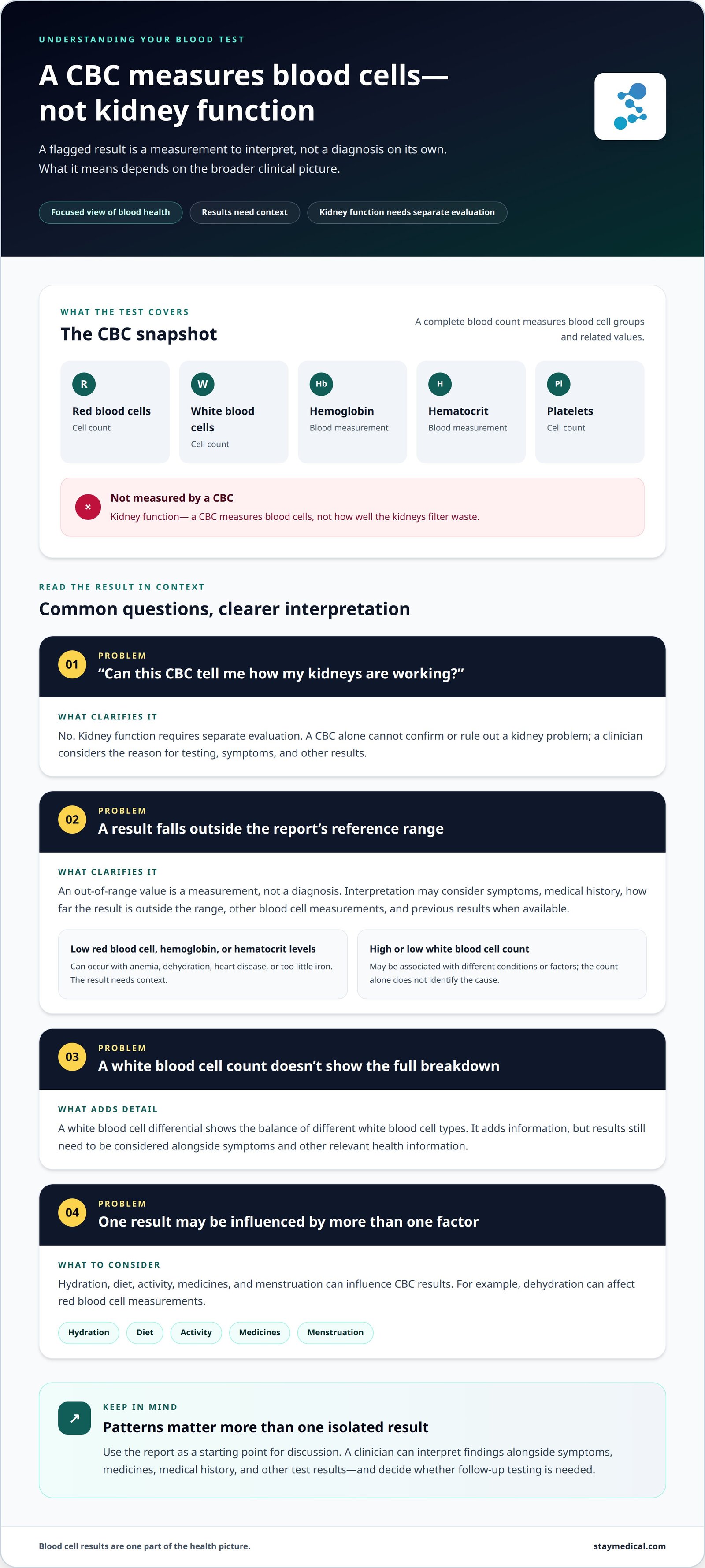
A normal CBC isn’t the same as a complete picture of your health. A complete blood check, usually called a complete blood count (CBC), measures red and white blood cells, hemoglobin, hematocrit, and platelets. It can help identify patterns in blood cell counts, but it doesn’t measure kidney function.
It’s natural to want a clear explanation of every result, especially when a value falls outside the range on your report. What a CBC suggests depends on the finding and your overall health; the test alone may not explain the cause. This guide covers what the main results show, what to expect during testing, and why a complete blood check may involve tests beyond a CBC. You’ll also learn how clinicians interpret results in context and when additional testing may help provide a fuller picture.
Key Takeaways
- A CBC usually needs no special preparation, but other tests ordered with it may affect whether you need to fast.
- Use out-of-range results as a prompt for clinical interpretation, not as a diagnosis on their own.
- A CBC doesn’t assess kidney function, so a broader checkup may include additional tests tailored to what needs evaluating.
- A white blood cell differential adds detail by showing the balance of different white blood cell types.
- Think of a full body checkup as a combination of tests: the right panel depends on the health questions being explored.
CBC test preparation and sample collection at a clinic
A complete blood count usually needs no special preparation. The clinic’s first step is to establish whether the CBC is being collected alone or alongside other blood tests.
Preparation Before a Clinic Blood Draw
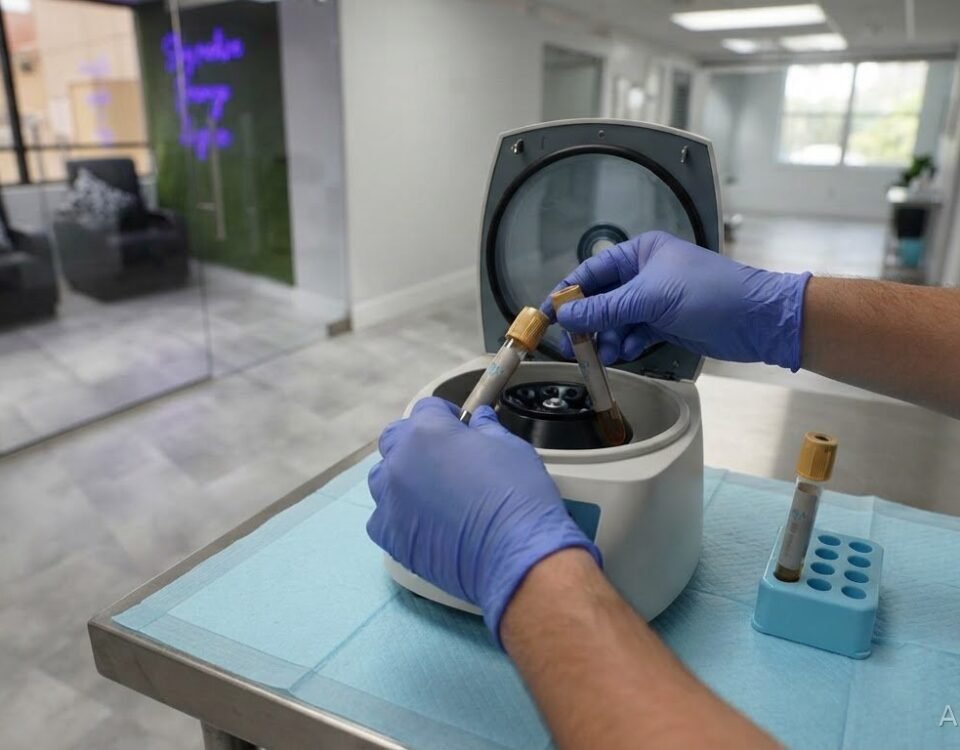
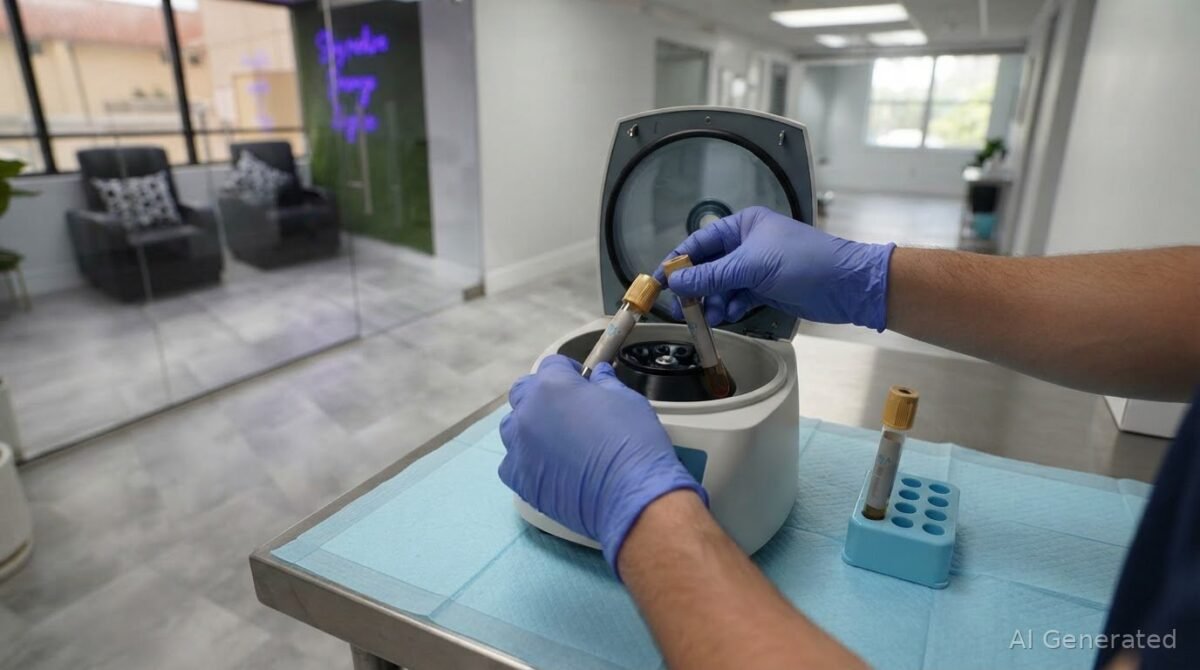
Preparation involves confirming which tests are ordered and explaining what to expect before collection. For a CBC alone, you can generally eat and drink as usual. A health professional collects a blood sample from a vein in your arm using a small needle. Sharing relevant symptoms and medicines helps put the test request in context.
The blood draw usually takes less than five minutes. The needle may sting briefly as it goes in or comes out, and slight soreness or bruising can occur at the site. Blood tests carry very little risk. Tell the professional about any concerns beforehand so they can explain each step and help you feel prepared.
Fasting Blood Test Preparation at a Clinic
Fasting is needed only when another ordered blood test requires it, not automatically for every CBC. The clinic or ordering professional should explain whether fasting is necessary and how long to follow the instructions. If your order combines a CBC with other tests, ask which instructions apply to the full set before your appointment.
For a CBC alone, you can generally eat and drink as usual. If other tests are included, fasting may be needed for several hours beforehand. Don’t assume the CBC determines preparation for every test collected in the same draw. Instructions should reflect the complete order, so clarify any conflicting guidance with the professional who arranged the tests.
Does health insurance cover routine blood tests, and when are they medically necessary? Coverage varies by plan and the reason for testing. A clinician may consider tests medically necessary when they are ordered to investigate symptoms or diagnose or monitor a health condition. Plan benefits and billing details also affect coverage.
How much does a CBC or comprehensive blood test cost in the United States without insurance? There is no single cost for every blood test or panel. The total depends on which tests are ordered and how the laboratory and clinic bill for them.
During collection, a professional draws blood from a vein in your arm using a small needle. A CBC requires one blood draw, though other tests may be collected at the same visit. It’s useful to understand the full order before arriving, especially if an added test may require fasting.
After collection, results need to be interpreted alongside symptoms and other relevant health information. A CBC measures blood cell levels, but the test itself cannot explain why a result may fall outside the reference range. The reason for testing, any accompanying tests, and your clinical context all shape what happens next.
Does CBC show kidney function?
No. A complete blood count measures blood cells, not how well the kidneys filter waste. Kidney function requires separate evaluation, so a CBC alone cannot confirm or rule out a kidney problem. A clinician interprets it alongside the reason for testing, symptoms, and any other results.
An out-of-range CBC result describes a measurement, not a diagnosis. For example, low red blood cell, hemoglobin, or hematocrit levels can occur with anemia, dehydration, heart disease, or too little iron. Each possibility has different implications, so the result needs context before guiding a care decision.
White blood cell levels can also change for different reasons. A high count may be associated with infection or a reaction to medicine. A low count may be associated with an autoimmune or bone marrow disorder, or cancer. These patterns suggest possibilities, but they don’t identify the cause by themselves.
Everyday factors that can influence CBC results include hydration, diet, activity, medicines, and menstruation. For example, dehydration can affect red blood cell measurements. A provider considers these details alongside your medical history and symptoms, then decides whether other results or follow-up testing are needed.
Interpreting a report means looking beyond a flagged result. Reference ranges vary, and one measurement outside the standard range does not provide a complete diagnosis. A differential adds information about white blood cell types, while measures such as hemoglobin and hematocrit describe red blood cells and oxygen transport.
Patterns matter more than one isolated result. A provider may compare several blood cell measurements, consider how far they fall outside the reference range, and review previous results when available. If findings are far above or below standard ranges, referral to a hematologist, a doctor who treats blood conditions, may be appropriate.
How long do blood test results take, and how can I access them? Routine blood test results may take a few hours, while CBC results are often ready within a few days and sometimes within 24 hours. Results may appear in a patient portal the same day or the day after the draw; timing depends on the test.
Use the report as a starting point for discussion, not for self-diagnosis. Ask how each flagged result relates to symptoms, medicines, and other measurements. For example, a change in red blood cells may prompt questions about iron or hydration, while a white blood cell finding may be considered alongside signs of infection.
If your report raises questions, explore clinical testing and care as part of a broader conversation about your health. A CBC can contribute useful information, but separate testing is needed to assess kidney function, and the next step depends on the findings and clinical context.
What is a Complete Blood Count?
A CBC measures key blood cell groups and related values, providing a focused view of blood health.
CBC Measurements and Components
A complete blood count measures red blood cells, white blood cells, hemoglobin, hematocrit, and platelets. According to Cleveland Clinic, it also evaluates the amounts and sizes of these cells. Each component describes a different part of how blood carries oxygen, supports immune activity, or helps control bleeding.
A CBC and a comprehensive metabolic panel (CMP) are different tests. A CBC focuses on blood cells and related measurements, while a CMP evaluates a different set of health markers. A full blood panel may combine tests, but the CBC itself contains the blood-count components described above.
Reference ranges help interpret results, but they aren’t universal definitions of “normal.” White blood cell reference ranges can vary by laboratory. Results are interpreted with the lab’s range and the person’s health context.
Platelet Measurements
Platelet count measures the number of platelets, while mean platelet volume (MPV) describes their average size. Both measurements add detail to a CBC because platelet number and size provide different information.
Cleveland Clinic lists an adult platelet reference range of 150,000 to 400,000 cells per mcL and an adult MPV range of 7.0 fL to 9.0 fL. A result outside either range is a finding to interpret alongside other CBC values, not a diagnosis by itself.
White Blood Cell Counts and Types
A white blood cell count reports the total number of these immune system cells. A CBC with differential also measures the five major types: neutrophils, lymphocytes, monocytes, basophils, and eosinophils. This breakdown shows which cell groups contribute to the overall count.
A high white blood cell count may signal infection or a reaction to medicine. A low count may be associated with an autoimmune disorder, bone marrow disorder, or cancer. These are possible explanations, not conclusions drawn from one number. A provider considers the counts, symptoms, and other results together.
Getting a Complete Blood Check
Testing begins with a clinical decision about which measurements fit the health question. The test order specifies whether it is a CBC alone or includes a differential; other blood tests are separate parts of a broader panel. The clinic’s process depends on how the test is ordered and arranged.
A complete blood check may mean a CBC or a broader set of tests, so the name alone doesn’t establish what’s included. The CBC itself covers red and white blood cells, hemoglobin, hematocrit, and platelets. Clinic-based laboratory testing can be part of an evaluation when blood results are needed.
What is a CBC test with differential?
A CBC with differential combines a blood cell count with a breakdown of white blood cell types. Red blood cell indices add detail about cell size and hemoglobin concentration.
CBC Measurement Overview
A CBC measures red blood cells, white blood cells, hemoglobin, hematocrit, and platelets. Hemoglobin is the protein that carries oxygen inside red blood cells. A differential adds counts for the five major white blood cell types: neutrophils, lymphocytes, monocytes, basophils, and eosinophils.
This broader view helps clinicians assess patterns across blood cell groups. For example, the total white blood cell count and its differential describe related but distinct findings. A CBC with differential can help investigate infection or other health concerns, but it cannot diagnose a specific condition by itself.
Red Blood Cell Measures and Indices
Red blood cell indices describe cell size and hemoglobin concentration, adding context beyond the red blood cell count. Mean corpuscular volume (MCV) measures average cell size; mean corpuscular hemoglobin concentration (MCHC) describes hemoglobin concentration within red cells.
Cleveland Clinic lists an adult MCV reference range of 80 to 100 fL and an MCHC range of 32 to 36 g/dL. Its adult mean corpuscular hemoglobin range is 27 to 31 pg per cell. These measures help distinguish patterns, but none identifies a cause alone.
A low MCV may occur with iron-deficiency anemia, thalassemia, or chronic inflammatory conditions. A high MCV may occur with vitamin B12 or folate deficiency, alcohol use, or certain thyroid or liver conditions. The pattern helps guide interpretation, not establish a diagnosis.
MCHC can also vary. A low result may occur with iron-deficiency anemia, thalassemia, chronic inflammation, or some long-term illnesses affecting red blood cell production. A high MCHC is less common and may occur with autoimmune hemolytic anemia, hereditary spherocytosis, severe burns, or certain medicines and medical conditions affecting cell structure.
These indices matter because two people can have similar red blood cell counts but different cell characteristics. For instance, MCV describes size, while MCHC describes hemoglobin concentration. A provider considers these alongside hemoglobin, hematocrit, symptoms, and other CBC findings.
Reference ranges are guides, not universal cutoffs for every person or laboratory. Cleveland Clinic’s adult ranges provide context, while the reference intervals on your report help frame the result. A value outside range should be interpreted alongside the full blood cell count and relevant clinical details.
Blood tests for a full body checkup
A full body checkup isn’t one blood test or a fixed panel. The useful tests depend on the health question, symptoms, and conditions or treatments being monitored.
Routine Blood Tests by Age or Risk
Age and health risks help determine which blood tests may be relevant, but they don’t define one panel for everyone. A CBC can help assess overall health, investigate symptoms, and monitor conditions that affect blood cell counts. It may also track counts after radiation or certain medicines.
Other tests answer different questions. An A1C reflects average blood sugar over about three months, while an LDL cholesterol level below 100 is considered optimal. HIV requires a specific test, such as a 4th-generation HIV test; a CBC with differential does not test for HIV.
Frequency of Routine Blood Testing
Adults don’t all need routine blood testing on the same schedule. Frequency depends on the reason for testing, relevant health risks, symptoms, and whether a condition or treatment needs monitoring. A provider considers these factors to decide whether repeat testing would add useful information.
For example, a CBC may be used to monitor an existing blood disorder or changes linked with treatment. A test ordered to investigate a symptom serves a different purpose from screening or ongoing monitoring. Repeating tests without a clear health question may not provide the same value as targeted testing.
A complete blood count is one tool in an assessment, not a complete diagnosis. Blood count results cannot answer every question about organs, metabolism, or infection. A broader evaluation may involve separate tests selected for the concern, such as blood sugar testing with A1C or cholesterol testing with an LDL measurement.
The phrase “full blood panel” can refer to different combinations of tests. It doesn’t automatically mean every possible blood test is included. A useful order connects each test to a purpose: the CBC assesses blood cells, A1C reflects average blood sugar, and a specific HIV test checks for HIV.
Symptoms and medical history help guide test selection. For instance, a clinician investigating a symptom may choose tests relevant to that concern, while monitoring may focus on a known condition or the effects of treatment. Age can inform the discussion, but this information does not establish an age-based schedule or a universal set of tests.
For a clearer plan, start with the health question: screening, symptom evaluation, or monitoring. Then interpret each result in light of that purpose. A blood test may identify a finding that needs follow-up, but one result alone may not explain its cause or establish a disease.
Stay Medical Clinic
Stay Medical Clinic can help put blood test questions into a broader primary care conversation. If a CBC result is unclear, or you’re considering testing because of symptoms or a health concern, primary care can help connect the result with your health history and next steps. A CBC is only one part of an assessment, so findings should be considered alongside the reason for testing and other relevant information.
That whole-person perspective can also support conversations about ongoing health goals, including weight management or testosterone-related care. The right discussion starts with what you want to understand and the findings that matter to you, rather than treating one number as the full picture.
Turn Your Results Into a Thoughtful Next Step
A complete blood check is most useful when it supports a clear health conversation. Consider what prompted testing, what you want to understand, and how the result connects with your broader goals. This focus can make follow-up more purposeful than reacting to one flagged value or ordering tests without a specific question.
Stay Medical Clinic offers primary care alongside a Weight Loss Program, Testosterone Replacement, and IV Therapy. These services address different health needs, so the right next step depends on the concern you want to discuss. A conversation about your results can help place them within your personal health priorities.
Clarity grows through informed decisions and care shaped around your needs. Take the next step with confidence.
Frequently Asked Questions
What do the results mean?
Your CBC results show measurements of blood cells and related components, interpreted against the laboratory’s reference ranges and your health context. A flagged value is a clue, not a diagnosis. For example, a clinician may consider whether several related measurements shift together, whether symptoms are present, and whether medicines or hydration could influence the pattern. Discuss the report as a whole rather than focusing on one mark.
Are there any risks to the test?
A CBC blood draw carries very little risk. You may feel a brief sting when the needle enters or leaves your arm, and mild soreness or bruising can occur at the puncture site. These effects usually pass quickly. If you’ve previously felt faint during a blood draw or are worried about needles, tell the person collecting the sample so they can take your concern into account.
When do you need a CBC blood test?
A clinician may order a CBC to investigate symptoms, assess general health, or monitor a condition or treatment that affects blood cell counts. For example, it may help track changes in an existing blood disorder or blood counts after radiation or certain medicines. The reason matters: a test investigating a new concern may answer a different question from one repeated to monitor an established condition.
Will I need to do anything to prepare for the test?
A CBC alone usually requires no special preparation, so you can generally eat and drink as usual. Preparation may change if the same blood draw includes another test with different instructions. Before collection, tell the healthcare professional about medicines and relevant circumstances, such as menstruation or recent changes in hydration. These details can help them consider factors that may affect interpretation.
Are MCV and MCHC the same?
No. MCV describes the average size of red blood cells, while MCHC describes the concentration of hemoglobin within them. They answer separate questions about red cell characteristics. For instance, a report may show an MCV outside its reference range while MCHC remains within range. A clinician reads both alongside other measurements, since neither index alone identifies why a blood cell pattern has changed.
Can CBC Show Cancer?
A CBC cannot diagnose cancer on its own. Some cancers or blood disorders can affect blood cell counts, but an abnormal count can also have other explanations, including infection, medicine effects, or anemia. A clinician considers the full pattern, symptoms, and medical history before deciding whether further evaluation is needed. A CBC is one source of information, not a cancer-specific test.
What do CBC results measure, and what do common abnormalities mean?
A CBC reports red blood cells, hemoglobin, hematocrit, white blood cells, and platelets. A high white blood cell count may occur with infection or a medicine reaction; a low count can have several possible causes. Low red blood cell, hemoglobin, or hematocrit results may be associated with anemia, dehydration, heart disease, or low iron. The finding needs context to clarify its significance.
What preparation is needed before a complete blood check, including fasting?
For a CBC alone, fasting generally isn’t needed, and you can eat and drink as usual. If the order includes other blood tests, fasting may be required for several hours, depending on those tests. Follow the instructions for the full test order rather than assuming every panel has the same requirements. If directions are unclear or conflict, clarify them with the healthcare professional who arranged the testing.
Disclaimer
This content is for informational purposes only and does not replace evaluation, diagnosis, or treatment by a medical professional. Always consult a qualified healthcare provider for personalized care.